As blockchain performance has evolved, consensus mechanism optimization has reached its limits, shifting the real challenge to execution and storage layers. Traditional EVM chains are restricted by serial processing, forcing transactions to queue for execution. Meanwhile, general-purpose databases—like RocksDB and LevelDB—face significant disk I/O bottlenecks when managing massive on-chain Account Balance and contract status data. With the anticipated explosion of omnichain gaming and high-frequency social applications in 2026, the industry urgently needs a foundational storage solution capable of supporting industrial-scale data loads.
Somnia Network was designed for this new era, offering a competitive edge by not only optimizing execution logic, but also fundamentally reengineering the EVM’s storage architecture. Leveraging its proprietary IceDB and a high-performance parallel engine, Somnia pushes blockchain throughput to the million TPS level.
What Is Somnia’s Parallel Execution Engine?
Traditional Ethereum Virtual Machines (EVM) operate like a single-lane highway, where every transaction must be processed in order. Somnia’s parallel execution engine uses pre-execution analysis to detect independent transaction streams—such as transfers between different users—and assigns them to separate CPU cores for concurrent processing. This multi-threaded approach dramatically boosts efficiency, allowing system throughput to scale linearly with hardware core count.
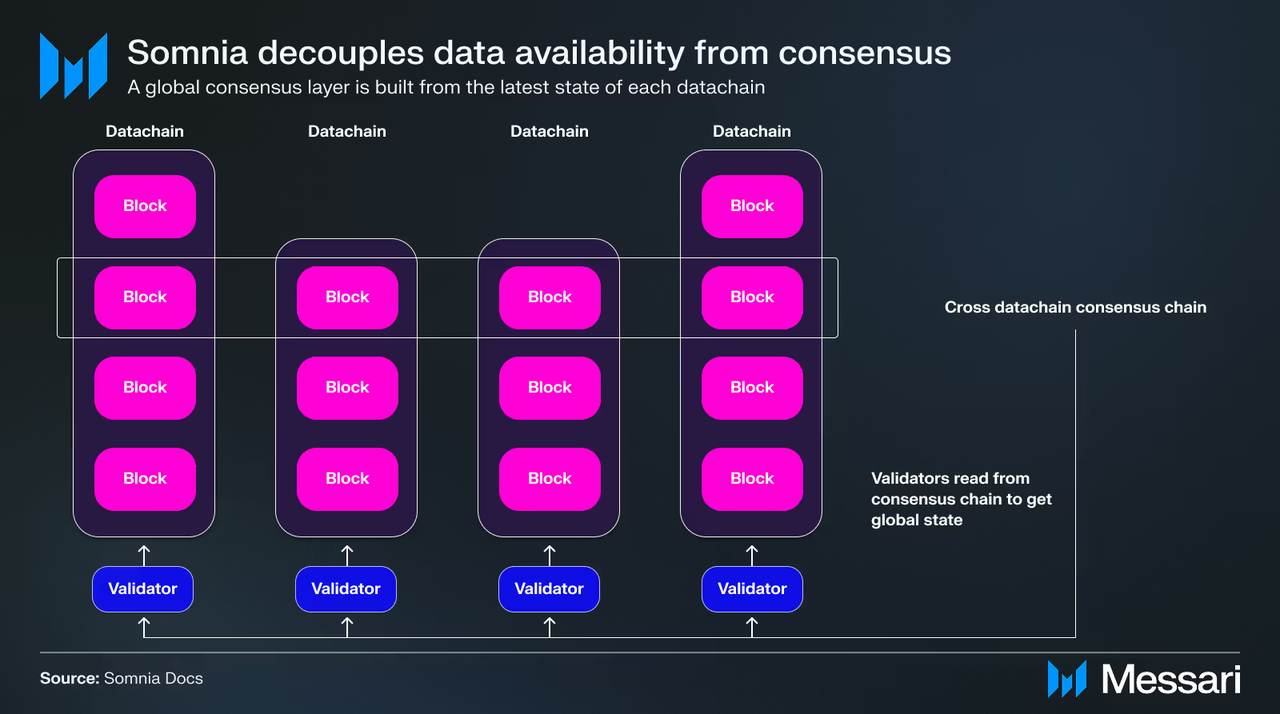
IceDB: Reinventing EVM’s Storage Foundation
Database read/write speed is often the “invisible ceiling” for blockchain performance. IceDB is a custom storage engine developed by the Somnia team to address the unique requirements of on-chain status access, delivering key breakthroughs:
-
Eliminating I/O bottlenecks: IceDB optimizes on-disk data layout, drastically reducing random access operations when retrieving Account Balance or contract status.
-
Efficient state compression: Advanced compression algorithms mitigate the “state explosion” issues common in high-performance chains—without sacrificing read speed.
-
Sub-second read/write response: Structural optimization for Sparse Merkle Trees (SMT) ensures status updates maintain millisecond-level response times, even under massive concurrent loads.
How the Parallel Engine and IceDB Work Together
Somnia’s high performance is the result of deep integration between these two technologies. The parallel engine distributes tasks, driving all CPU cores at maximum capacity, while IceDB supplies data efficiently, preventing idle cores caused by database lag. This synergy allows the network to maintain sub-second finality—even when processing up to 1,000,000 TPS—delivering a user experience as responsive as traditional, centralized internet platforms.
Advantages of Somnia over Traditional Storage Solutions
Compared to blockchains using general-purpose databases, Somnia’s architecture offers clear generational advantages:
-
Lower latency: When processing complex Smart Contracts, IceDB delivers status access speeds several times faster than legacy solutions.
-
Greater stability: Purpose-built for high concurrency, the database remains stable and responsive even during peak network traffic.
-
Scalability: Designed to accommodate future omnichain AI agents and Real Time physics engines, providing ample computational headroom.
New Possibilities for Developers and the Somnia Ecosystem
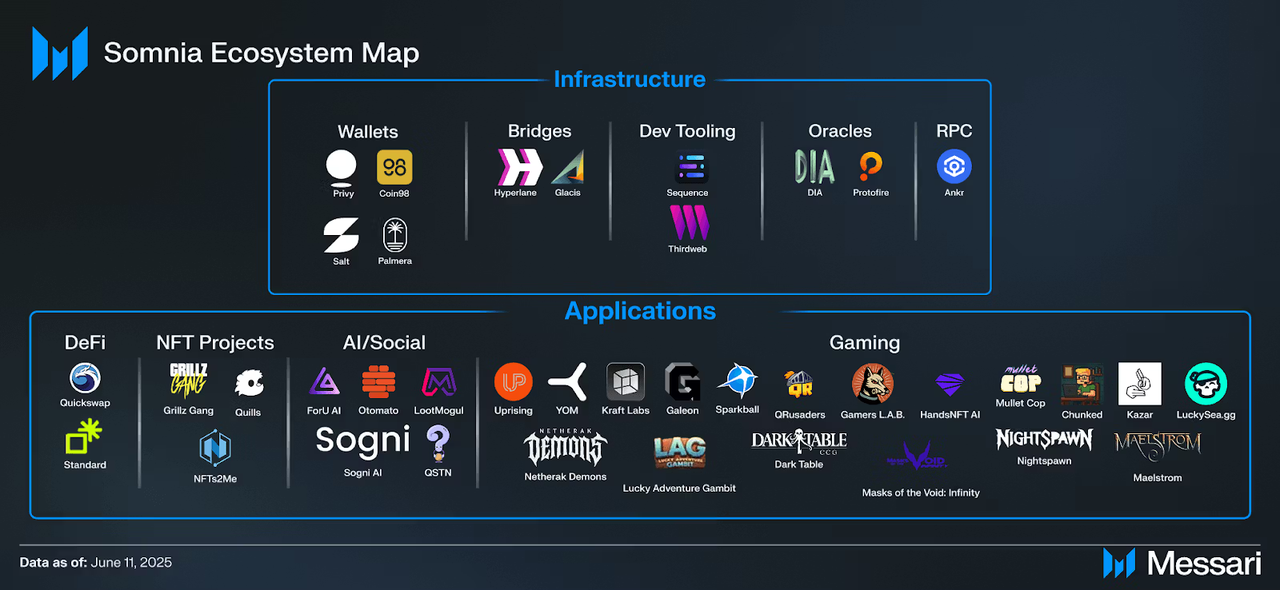
For Developers, IceDB and the parallel engine break through traditional performance barriers. On Somnia, Developers can build:
-
Omnichain social graphs: Support for hundreds of millions of Like, Comment, and other high-frequency interactions recorded on-chain in Real Time.
-
Real Time omnichain gaming: Complex game logic and collision detection running entirely on-chain.
-
High Frequency decentralized Order Book: Decentralized exchanges with user experiences rivaling CEX platforms.
Summary
Somnia’s parallel engine and IceDB represent a leap from “general-purpose” to “specialized high-performance” blockchain infrastructure. By addressing execution and storage bottlenecks at their core, Somnia not only sets new benchmarks for performance but also paves the way for Web3’s mass adoption. In the high-performance public chain landscape of 2026, this foundational architecture will be the gold standard for on-chain scalability.
FAQs
Is IceDB fully compatible with current EVM tools?
Yes. IceDB’s enhancements occur at the storage layer, while the interface remains fully compatible with the EVM. Developers can continue using Solidity, Truffle, or Hardhat and enjoy top-tier performance without changing any core code.
Does parallel execution impact transaction security or result consistency?
No. Somnia’s parallel engine features robust conflict detection. If two transactions involve the same account, the system automatically switches them to serial processing, ensuring outcomes are always fully consistent with Ethereum standards.
Are hardware requirements high for running Somnia validator nodes?
To support million-TPS throughput, Somnia validator nodes require a high number of CPU cores, strong memory bandwidth, and fast NVMe disk read/write speeds. These requirements ensure the network maintains top-tier decentralized security even when handling industrial-scale data flows.







