

#美伊局势影响
Dow plunges nearly 800 points as inflation fears, Iran war spook Wall Street
BTC, ETH price news: Bitcoin under pressure as oil spikes 6%. What's next?
#USIranTensionsImpactMarkets
As of March 2026, tensions between the United States and Iran have escalated into one of the most significant geopolitical crises affecting global markets this year. The conflict intensified after joint military actions and retaliatory strikes across the Middle East, triggering instability in energy markets, stock exchanges, and the cryptocurrency sector. Investors worldwide are closely watching the situation because geopolitical conflicts often create sudden market volatility, liquidity shocks, and risk-off sentiment across financial systems.
The latest phase of the conflict began on 28 February 2026, when military strikes targeting Iranian infrastructure triggered retaliatory attacks across the region. Iran responded with missile and drone operations targeting strategic sites and shipping routes. These developments expanded the conflict beyond a political dispute and into a broader regional security crisis affecting Gulf nations and global trade routes.
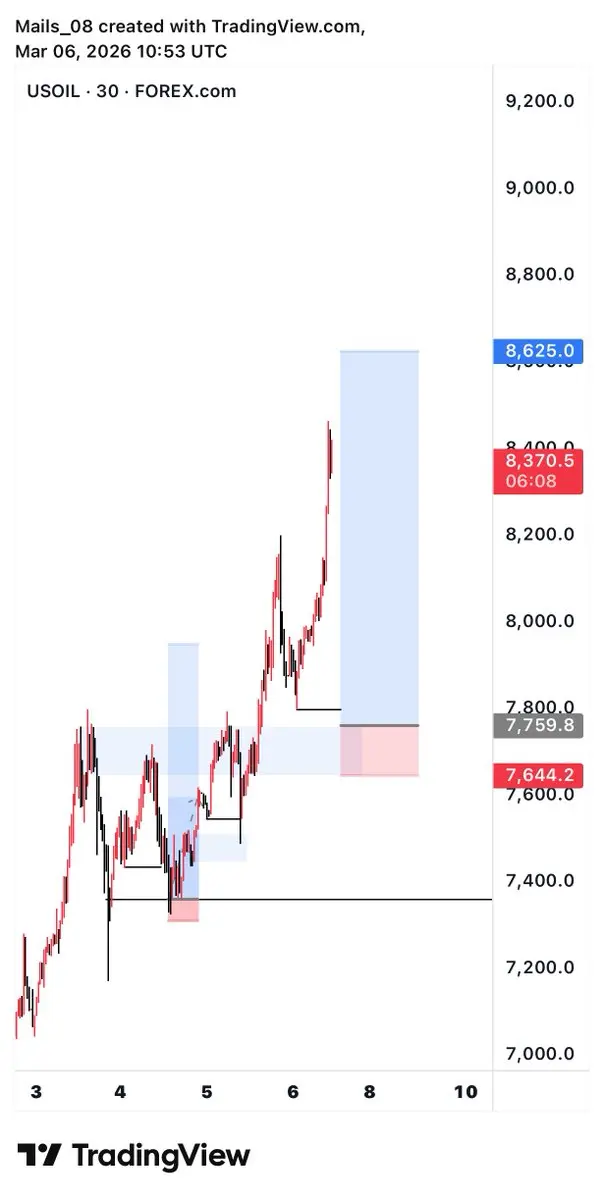
One of the most critical economic flashpoints is the Strait of Hormuz, a narrow maritime corridor responsible for transporting roughly 20% of the world's oil supply. Due to military threats and security concerns, tanker movement through the strait has been heavily disrupted, creating fears of a global energy shock. Analysts reported that the crisis quickly pushed oil prices up by 10–13%, reaching around $80–$82 per barrel, with warnings that prices could surge toward $100 per barrel if disruptions continue.
The impact of the conflict is already visible in global financial markets. On March 5, 2026, U.S. stock markets reacted sharply as investors shifted toward safer assets. The Dow Jones Industrial Average dropped about 784 points, while the S&P 500 and Nasdaq also declined as fears of rising inflation and prolonged geopolitical instability spread across financial markets.
Energy markets are particularly sensitive to the conflict. Because Iran sits at the center of a major oil-exporting region, any disruption to production or shipping can quickly influence global energy prices. Economists warn that rising oil prices could push inflation higher across many economies, forcing central banks to delay expected interest-rate cuts. Higher inflation and tighter monetary conditions typically reduce investor appetite for high-risk assets such as technology stocks and cryptocurrencies.
Several Middle Eastern countries are already experiencing direct consequences of the conflict. Missile strikes and drone attacks have targeted locations in Gulf countries, including Qatar and Oman, causing infrastructure damage and injuries. For example, retaliatory strikes in Qatar reportedly injured at least 16 civilians, while attacks on oil tanker routes and port facilities have disrupted regional shipping activity.
The conflict has also created serious disruptions in maritime trade. Attacks on oil tankers and military warnings in the Strait of Hormuz have led to damaged vessels and casualties among shipping crews. Reports indicate that several tankers have been hit and at least four seafarers were killed, highlighting the growing risks to global energy transport and supply chains.
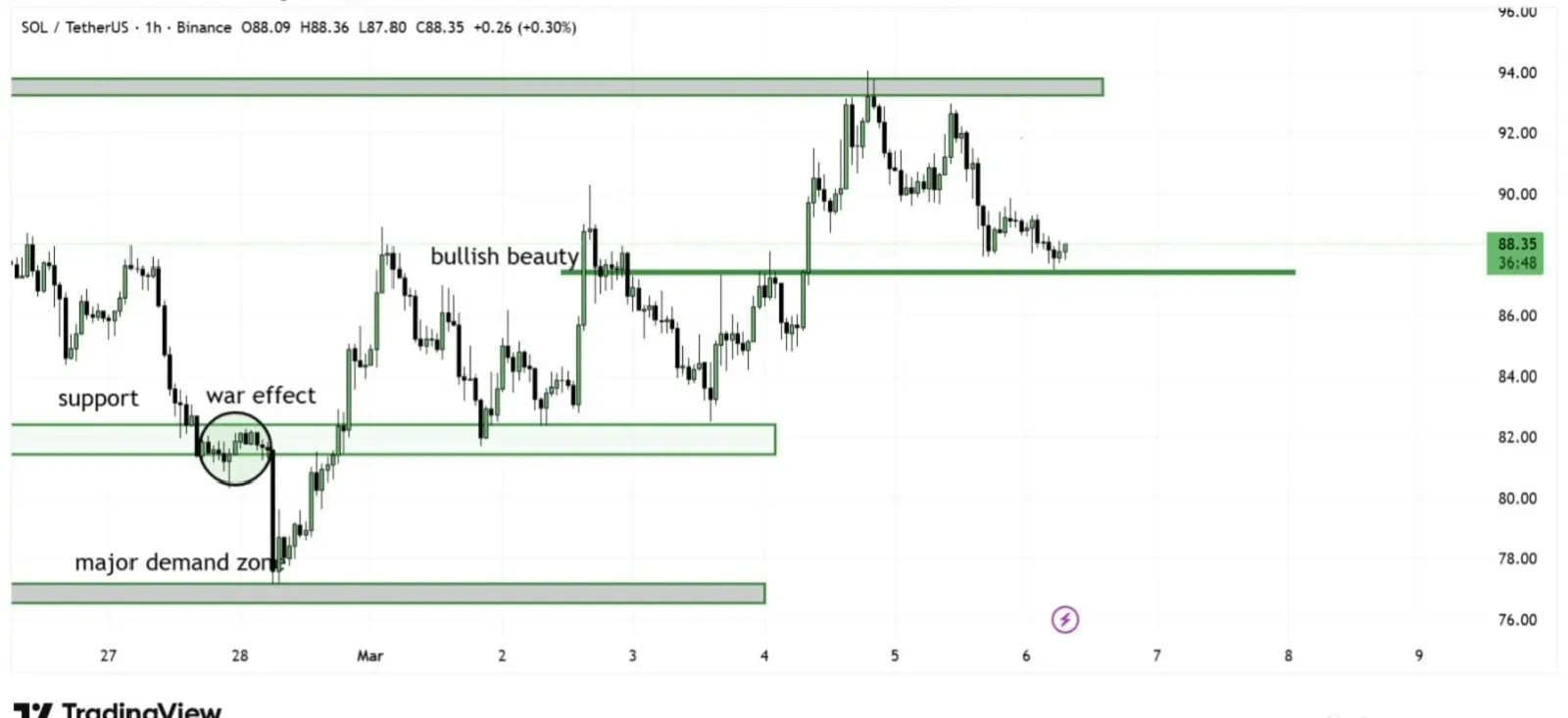
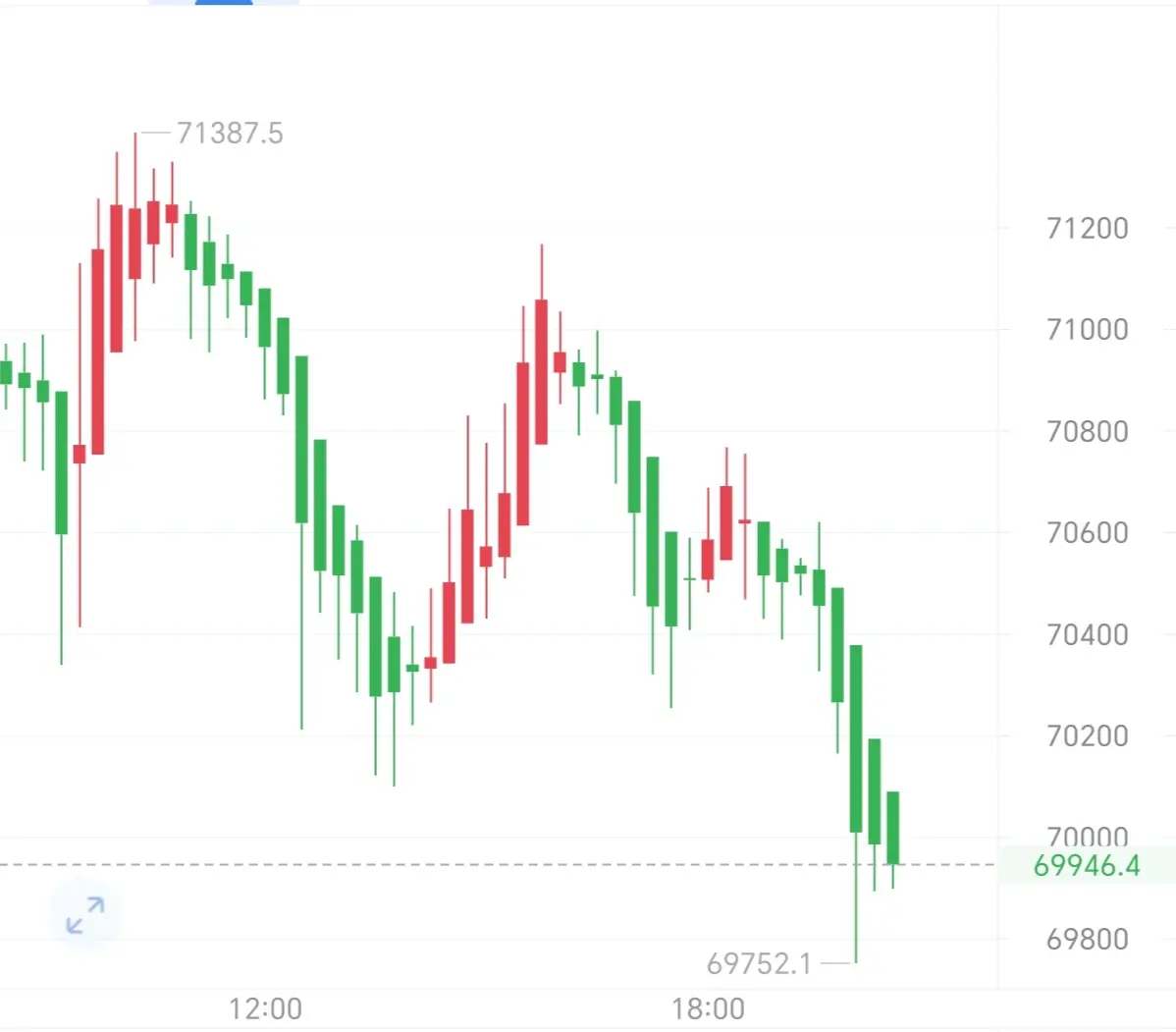
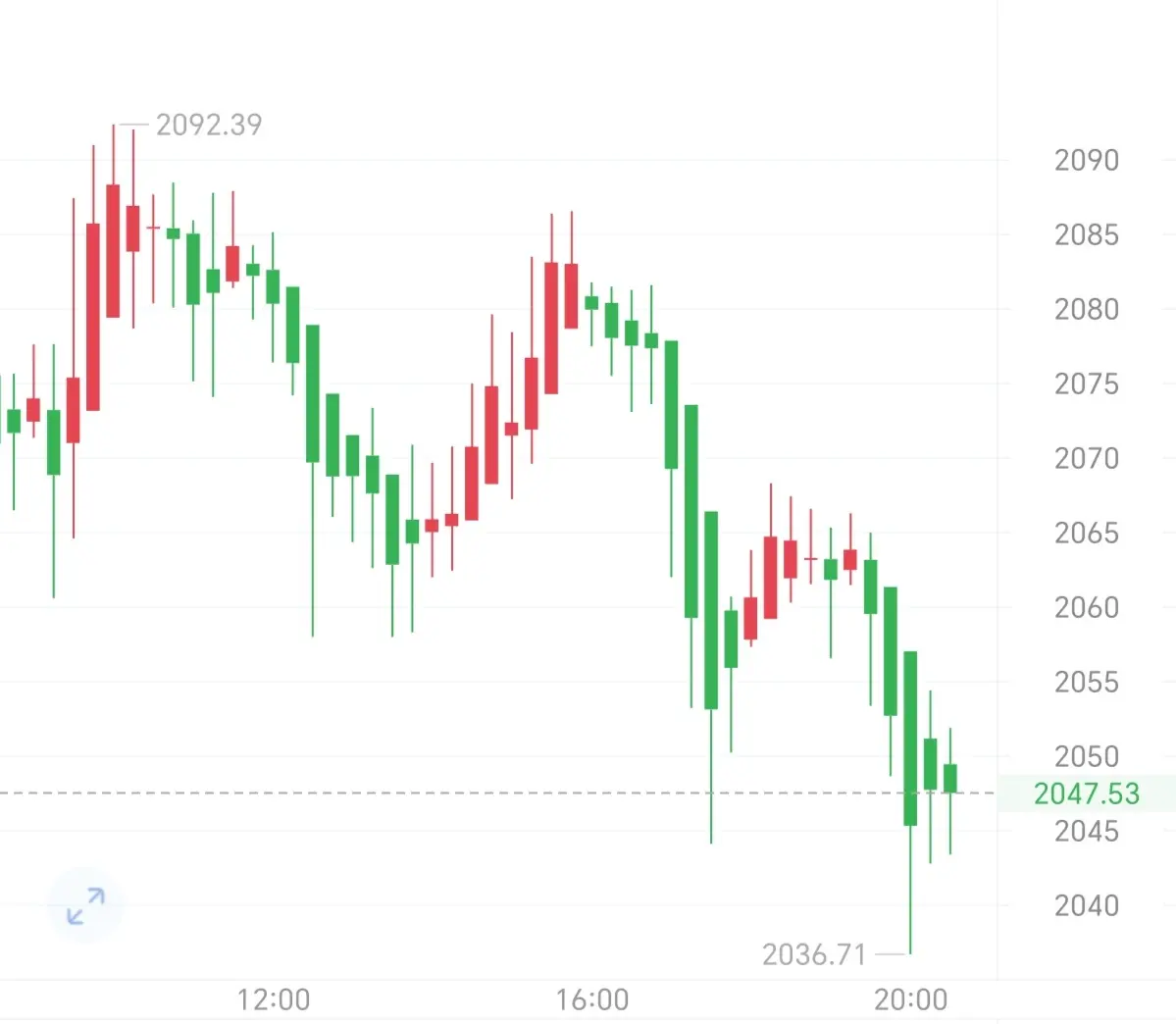
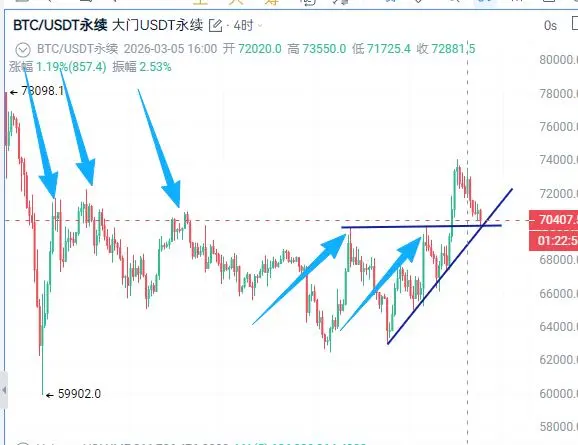
Beyond traditional markets, the cryptocurrency ecosystem has also been affected. Crypto markets often react quickly to geopolitical shocks because traders reduce exposure to risk during uncertain times. After the latest escalation in the conflict, Bitcoin briefly dropped toward $63,000 before recovering toward the mid-$60,000 range, reflecting sudden panic selling followed by stabilization.
Market volatility also triggered a wave of leveraged liquidations across crypto exchanges. Within a short period, more than $350 million in crypto positions were liquidated, primarily affecting traders using high leverage in Bitcoin and altcoin markets. Such liquidations amplify market volatility because forced selling accelerates price declines during periods of panic.
However, the relationship between geopolitical crises and crypto markets is complex. While institutional investors may reduce risk exposure during wars or conflicts, cryptocurrencies sometimes gain adoption in regions experiencing financial restrictions or sanctions. Iran itself has become one of the larger crypto economies in recent years, with over $11 billion in crypto activity recorded since early 2025, as citizens use digital assets to bypass banking restrictions and currency instability.
At the same time, the war has placed stress on Iran’s domestic crypto ecosystem. Internet restrictions and infrastructure disruptions caused trading volumes to drop sharply in the days following the escalation. Some Iranian exchanges temporarily restricted withdrawals and reduced leverage to manage liquidity risks while maintaining market stability during the crisis.
Looking forward, the future impact of the US-Iran conflict will depend on whether tensions escalate or diplomatic negotiations succeed. If shipping through the Strait of Hormuz remains blocked and military operations continue, global energy prices could rise significantly, increasing inflation and slowing economic growth worldwide. Financial institutions have already warned that the conflict could reduce investment confidence and weaken economic expansion in several regions.
For cryptocurrency markets, the outcome is uncertain. Continued geopolitical instability could keep crypto prices volatile, with investors shifting between risk assets and safe havens depending on the situation. However, if tensions ease and energy markets stabilize, the crypto market may recover quickly as liquidity returns and investor confidence improves.
In simple terms, the US-Iran conflict is no longer just a regional political issue it has become a global financial event. From oil prices and stock markets to cryptocurrencies and international trade routes, the ripple effects of this crisis are being felt across the entire global economic system. Investors, traders, and governments will continue to watch every development closely because even a single escalation or diplomatic breakthrough can instantly move global markets.
📅 3/4 15:00 - 3/6 12:00 (UTC+8)
Dow plunges nearly 800 points as inflation fears, Iran war spook Wall Street
BTC, ETH price news: Bitcoin under pressure as oil spikes 6%. What's next?
#USIranTensionsImpactMarkets
As of March 2026, tensions between the United States and Iran have escalated into one of the most significant geopolitical crises affecting global markets this year. The conflict intensified after joint military actions and retaliatory strikes across the Middle East, triggering instability in energy markets, stock exchanges, and the cryptocurrency sector. Investors worldwide are closely watching the situation because geopolitical conflicts often create sudden market volatility, liquidity shocks, and risk-off sentiment across financial systems.
The latest phase of the conflict began on 28 February 2026, when military strikes targeting Iranian infrastructure triggered retaliatory attacks across the region. Iran responded with missile and drone operations targeting strategic sites and shipping routes. These developments expanded the conflict beyond a political dispute and into a broader regional security crisis affecting Gulf nations and global trade routes.
One of the most critical economic flashpoints is the Strait of Hormuz, a narrow maritime corridor responsible for transporting roughly 20% of the world's oil supply. Due to military threats and security concerns, tanker movement through the strait has been heavily disrupted, creating fears of a global energy shock. Analysts reported that the crisis quickly pushed oil prices up by 10–13%, reaching around $80–$82 per barrel, with warnings that prices could surge toward $100 per barrel if disruptions continue.
The impact of the conflict is already visible in global financial markets. On March 5, 2026, U.S. stock markets reacted sharply as investors shifted toward safer assets. The Dow Jones Industrial Average dropped about 784 points, while the S&P 500 and Nasdaq also declined as fears of rising inflation and prolonged geopolitical instability spread across financial markets.
Energy markets are particularly sensitive to the conflict. Because Iran sits at the center of a major oil-exporting region, any disruption to production or shipping can quickly influence global energy prices. Economists warn that rising oil prices could push inflation higher across many economies, forcing central banks to delay expected interest-rate cuts. Higher inflation and tighter monetary conditions typically reduce investor appetite for high-risk assets such as technology stocks and cryptocurrencies.
Several Middle Eastern countries are already experiencing direct consequences of the conflict. Missile strikes and drone attacks have targeted locations in Gulf countries, including Qatar and Oman, causing infrastructure damage and injuries. For example, retaliatory strikes in Qatar reportedly injured at least 16 civilians, while attacks on oil tanker routes and port facilities have disrupted regional shipping activity.
The conflict has also created serious disruptions in maritime trade. Attacks on oil tankers and military warnings in the Strait of Hormuz have led to damaged vessels and casualties among shipping crews. Reports indicate that several tankers have been hit and at least four seafarers were killed, highlighting the growing risks to global energy transport and supply chains.
Beyond traditional markets, the cryptocurrency ecosystem has also been affected. Crypto markets often react quickly to geopolitical shocks because traders reduce exposure to risk during uncertain times. After the latest escalation in the conflict, Bitcoin briefly dropped toward $63,000 before recovering toward the mid-$60,000 range, reflecting sudden panic selling followed by stabilization.
Market volatility also triggered a wave of leveraged liquidations across crypto exchanges. Within a short period, more than $350 million in crypto positions were liquidated, primarily affecting traders using high leverage in Bitcoin and altcoin markets. Such liquidations amplify market volatility because forced selling accelerates price declines during periods of panic.
However, the relationship between geopolitical crises and crypto markets is complex. While institutional investors may reduce risk exposure during wars or conflicts, cryptocurrencies sometimes gain adoption in regions experiencing financial restrictions or sanctions. Iran itself has become one of the larger crypto economies in recent years, with over $11 billion in crypto activity recorded since early 2025, as citizens use digital assets to bypass banking restrictions and currency instability.
At the same time, the war has placed stress on Iran’s domestic crypto ecosystem. Internet restrictions and infrastructure disruptions caused trading volumes to drop sharply in the days following the escalation. Some Iranian exchanges temporarily restricted withdrawals and reduced leverage to manage liquidity risks while maintaining market stability during the crisis.
Looking forward, the future impact of the US-Iran conflict will depend on whether tensions escalate or diplomatic negotiations succeed. If shipping through the Strait of Hormuz remains blocked and military operations continue, global energy prices could rise significantly, increasing inflation and slowing economic growth worldwide. Financial institutions have already warned that the conflict could reduce investment confidence and weaken economic expansion in several regions.
For cryptocurrency markets, the outcome is uncertain. Continued geopolitical instability could keep crypto prices volatile, with investors shifting between risk assets and safe havens depending on the situation. However, if tensions ease and energy markets stabilize, the crypto market may recover quickly as liquidity returns and investor confidence improves.
In simple terms, the US-Iran conflict is no longer just a regional political issue it has become a global financial event. From oil prices and stock markets to cryptocurrencies and international trade routes, the ripple effects of this crisis are being felt across the entire global economic system. Investors, traders, and governments will continue to watch every development closely because even a single escalation or diplomatic breakthrough can instantly move global markets.
📅 3/4 15:00 - 3/6 12:00 (UTC+8)
 :
:






 :
: