 :
:
#NasdaqLiftsRestrictionsOnBitcoinETFs
Nasdaq Lifts Restrictions on Bitcoin ETFs A Major Step Toward Institutional Crypto Adoption
Understanding the Announcement
In a significant development for the cryptocurrency and financial markets, the Nasdaq stock exchange has lifted several restrictions previously applied to Bitcoin exchange-traded funds (ETFs) listed on its platform. This regulatory change removes limits such as position caps and exposure thresholds that had previously constrained how much institutional investors could trade or hold in Bitcoin-related ETF products.
Historically, these limits were designed to control speculation and prevent excessive market concentration. One of the key restrictions included a 25,000-contract position cap on options linked to Bitcoin ETFs, meaning a single investor or institution could not hold more than that number of derivatives contracts tied to those funds. Nasdaq has now eliminated these limits, allowing much larger participation from institutional investors and hedge funds.
This decision represents an important step toward integrating cryptocurrency investment products into traditional financial markets.
What a Bitcoin ETF Is and Why It Matters
A Bitcoin ETF is a financial product traded on traditional stock exchanges that tracks the price of Bitcoin. Instead of purchasing and storing Bitcoin directly, investors can buy shares of an ETF that reflects the asset’s price movements.
This structure provides several advantages:
• Investors do not need to manage private crypto wallets or security risks.
• Traditional brokerage accounts can access Bitcoin exposure easily.
• Institutional funds and retirement portfolios can invest in Bitcoin under regulated frameworks.
Because ETFs are regulated financial products traded on exchanges like Nasdaq, they serve as a bridge between traditional finance (TradFi) and the cryptocurrency ecosystem.
Why Nasdaq Removed These Restrictions
The removal of restrictions reflects the rapid maturation of the cryptocurrency market. Since the approval of spot Bitcoin ETFs in recent years, trading volumes and institutional participation have grown significantly. As a result, exchanges and regulators are increasingly comfortable treating Bitcoin-related investment products similarly to commodity-based ETFs such as gold funds.
Nasdaq’s decision aims to:
• Align crypto ETF rules with traditional financial assets
• Improve market liquidity and trading flexibility
• Allow institutions to build larger positions without regulatory caps
With these barriers removed, large funds can now execute more complex trading strategies such as hedging, options spreads, and large-scale portfolio allocations involving Bitcoin ETFs.
Impact on Institutional Investors
One of the most important consequences of this decision is the increased accessibility of Bitcoin investments for institutional investors.
Previously, hedge funds, asset managers, and proprietary trading firms faced restrictions when trying to build large ETF-based positions. The removal of position limits now enables them to scale their strategies more effectively.
This change could lead to several developments:
• Increased institutional capital entering Bitcoin markets
• Higher trading volumes in ETF options and derivatives
• Improved liquidity across Bitcoin investment products
As institutional demand grows, the overall market structure surrounding Bitcoin is likely to become more mature and sophisticated.
Market Reaction and Short-Term Volatility
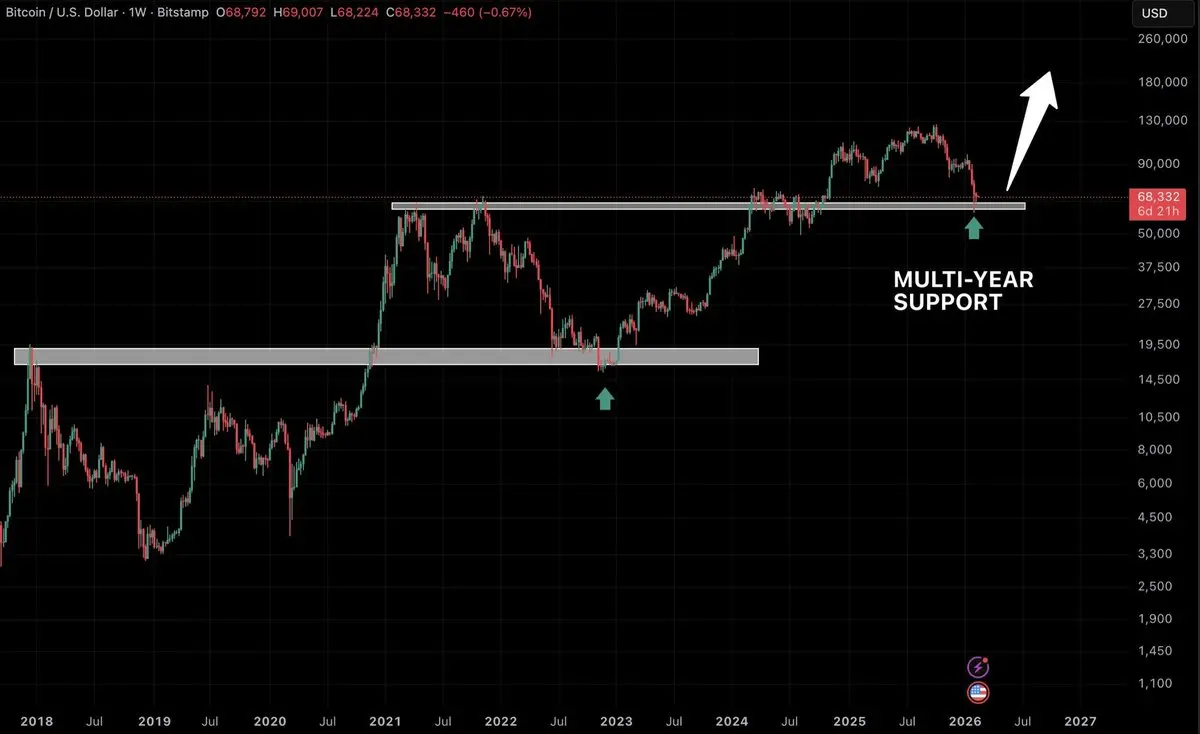
Despite the positive structural implications, the immediate market reaction has been mixed. Bitcoin prices have remained volatile due to broader macroeconomic and geopolitical factors, including global financial uncertainty, energy market fluctuations, and shifting investor sentiment across risk assets.
In recent market sessions Bitcoin experienced noticeable price swings as investors reacted to global economic signals, interest rate expectations, and geopolitical tensions. These external pressures sometimes overshadow the positive long-term effects of regulatory developments like the Nasdaq decision.
This highlights an important reality of financial markets: structural regulatory changes often strengthen long-term adoption, but short-term price movements are still influenced by macroeconomic events and investor psychology.
Implications for the Future of Crypto Finance
The removal of restrictions on Bitcoin ETFs signals a deeper integration between cryptocurrency markets and traditional financial systems.
Several long-term implications may emerge from this development:
1. Greater Market Liquidity
Removing position limits allows larger trading volumes and more participants, creating deeper and more efficient markets.
2. Stronger Institutional Participation
Asset managers, hedge funds, and pension funds may become more comfortable allocating capital to Bitcoin via regulated ETF structures.
3. Expansion of Crypto Derivatives Markets
With fewer restrictions, options and derivatives tied to Bitcoin ETFs may grow significantly, enabling sophisticated risk-management strategies.
4. Increased Legitimacy for Digital Assets
As major financial institutions continue integrating crypto investment products, Bitcoin’s position as a recognized global financial asset becomes stronger.
Conclusion
The development highlighted by Nasdaq lifting restrictions on Bitcoin ETFs represents a critical milestone in the evolution of the cryptocurrency industry. By eliminating position limits and other structural barriers, the exchange has opened the door for greater institutional participation, improved liquidity, and deeper integration between traditional finance and digital assets.
While short-term market reactions may vary due to macroeconomic conditions or geopolitical events, the long-term significance of this move lies in the continued institutionalization of Bitcoin. As regulatory frameworks evolve and financial infrastructure improves, Bitcoin ETFs may become one of the primary gateways through which global investors access the cryptocurrency market.
Nasdaq Lifts Restrictions on Bitcoin ETFs A Major Step Toward Institutional Crypto Adoption
Understanding the Announcement
In a significant development for the cryptocurrency and financial markets, the Nasdaq stock exchange has lifted several restrictions previously applied to Bitcoin exchange-traded funds (ETFs) listed on its platform. This regulatory change removes limits such as position caps and exposure thresholds that had previously constrained how much institutional investors could trade or hold in Bitcoin-related ETF products.
Historically, these limits were designed to control speculation and prevent excessive market concentration. One of the key restrictions included a 25,000-contract position cap on options linked to Bitcoin ETFs, meaning a single investor or institution could not hold more than that number of derivatives contracts tied to those funds. Nasdaq has now eliminated these limits, allowing much larger participation from institutional investors and hedge funds.
This decision represents an important step toward integrating cryptocurrency investment products into traditional financial markets.
What a Bitcoin ETF Is and Why It Matters
A Bitcoin ETF is a financial product traded on traditional stock exchanges that tracks the price of Bitcoin. Instead of purchasing and storing Bitcoin directly, investors can buy shares of an ETF that reflects the asset’s price movements.
This structure provides several advantages:
• Investors do not need to manage private crypto wallets or security risks.
• Traditional brokerage accounts can access Bitcoin exposure easily.
• Institutional funds and retirement portfolios can invest in Bitcoin under regulated frameworks.
Because ETFs are regulated financial products traded on exchanges like Nasdaq, they serve as a bridge between traditional finance (TradFi) and the cryptocurrency ecosystem.
Why Nasdaq Removed These Restrictions
The removal of restrictions reflects the rapid maturation of the cryptocurrency market. Since the approval of spot Bitcoin ETFs in recent years, trading volumes and institutional participation have grown significantly. As a result, exchanges and regulators are increasingly comfortable treating Bitcoin-related investment products similarly to commodity-based ETFs such as gold funds.
Nasdaq’s decision aims to:
• Align crypto ETF rules with traditional financial assets
• Improve market liquidity and trading flexibility
• Allow institutions to build larger positions without regulatory caps
With these barriers removed, large funds can now execute more complex trading strategies such as hedging, options spreads, and large-scale portfolio allocations involving Bitcoin ETFs.
Impact on Institutional Investors
One of the most important consequences of this decision is the increased accessibility of Bitcoin investments for institutional investors.
Previously, hedge funds, asset managers, and proprietary trading firms faced restrictions when trying to build large ETF-based positions. The removal of position limits now enables them to scale their strategies more effectively.
This change could lead to several developments:
• Increased institutional capital entering Bitcoin markets
• Higher trading volumes in ETF options and derivatives
• Improved liquidity across Bitcoin investment products
As institutional demand grows, the overall market structure surrounding Bitcoin is likely to become more mature and sophisticated.
Market Reaction and Short-Term Volatility
Despite the positive structural implications, the immediate market reaction has been mixed. Bitcoin prices have remained volatile due to broader macroeconomic and geopolitical factors, including global financial uncertainty, energy market fluctuations, and shifting investor sentiment across risk assets.
In recent market sessions Bitcoin experienced noticeable price swings as investors reacted to global economic signals, interest rate expectations, and geopolitical tensions. These external pressures sometimes overshadow the positive long-term effects of regulatory developments like the Nasdaq decision.
This highlights an important reality of financial markets: structural regulatory changes often strengthen long-term adoption, but short-term price movements are still influenced by macroeconomic events and investor psychology.
Implications for the Future of Crypto Finance
The removal of restrictions on Bitcoin ETFs signals a deeper integration between cryptocurrency markets and traditional financial systems.
Several long-term implications may emerge from this development:
1. Greater Market Liquidity
Removing position limits allows larger trading volumes and more participants, creating deeper and more efficient markets.
2. Stronger Institutional Participation
Asset managers, hedge funds, and pension funds may become more comfortable allocating capital to Bitcoin via regulated ETF structures.
3. Expansion of Crypto Derivatives Markets
With fewer restrictions, options and derivatives tied to Bitcoin ETFs may grow significantly, enabling sophisticated risk-management strategies.
4. Increased Legitimacy for Digital Assets
As major financial institutions continue integrating crypto investment products, Bitcoin’s position as a recognized global financial asset becomes stronger.
Conclusion
The development highlighted by Nasdaq lifting restrictions on Bitcoin ETFs represents a critical milestone in the evolution of the cryptocurrency industry. By eliminating position limits and other structural barriers, the exchange has opened the door for greater institutional participation, improved liquidity, and deeper integration between traditional finance and digital assets.
While short-term market reactions may vary due to macroeconomic conditions or geopolitical events, the long-term significance of this move lies in the continued institutionalization of Bitcoin. As regulatory frameworks evolve and financial infrastructure improves, Bitcoin ETFs may become one of the primary gateways through which global investors access the cryptocurrency market.


 :
: