








#Bitcoin’sSafeHavenAppeal
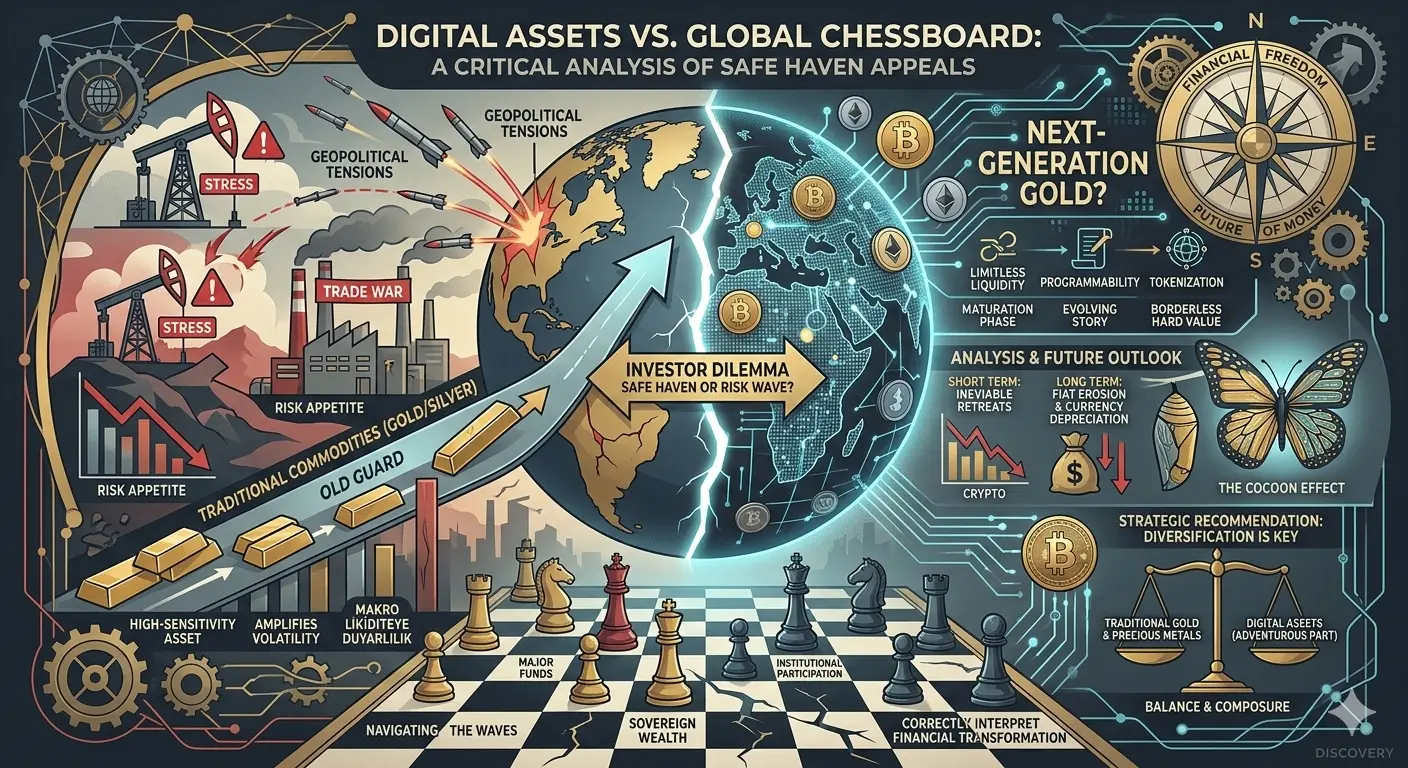
We are moving through a critical period where global markets have transformed into a giant chessboard, and geopolitical moves can upend all balances at any moment. While recent international tensions have pushed investors' search for a safe haven to the highest level, the title of digital assets as the "next-generation gold" is once again undergoing one of the greatest tests in history. So, does this accumulation of digital value truly behave like traditional hedging instruments, or is it merely a speculative wave rising in stormy seas? Let us examine this complex picture from a deep and professional perspective.
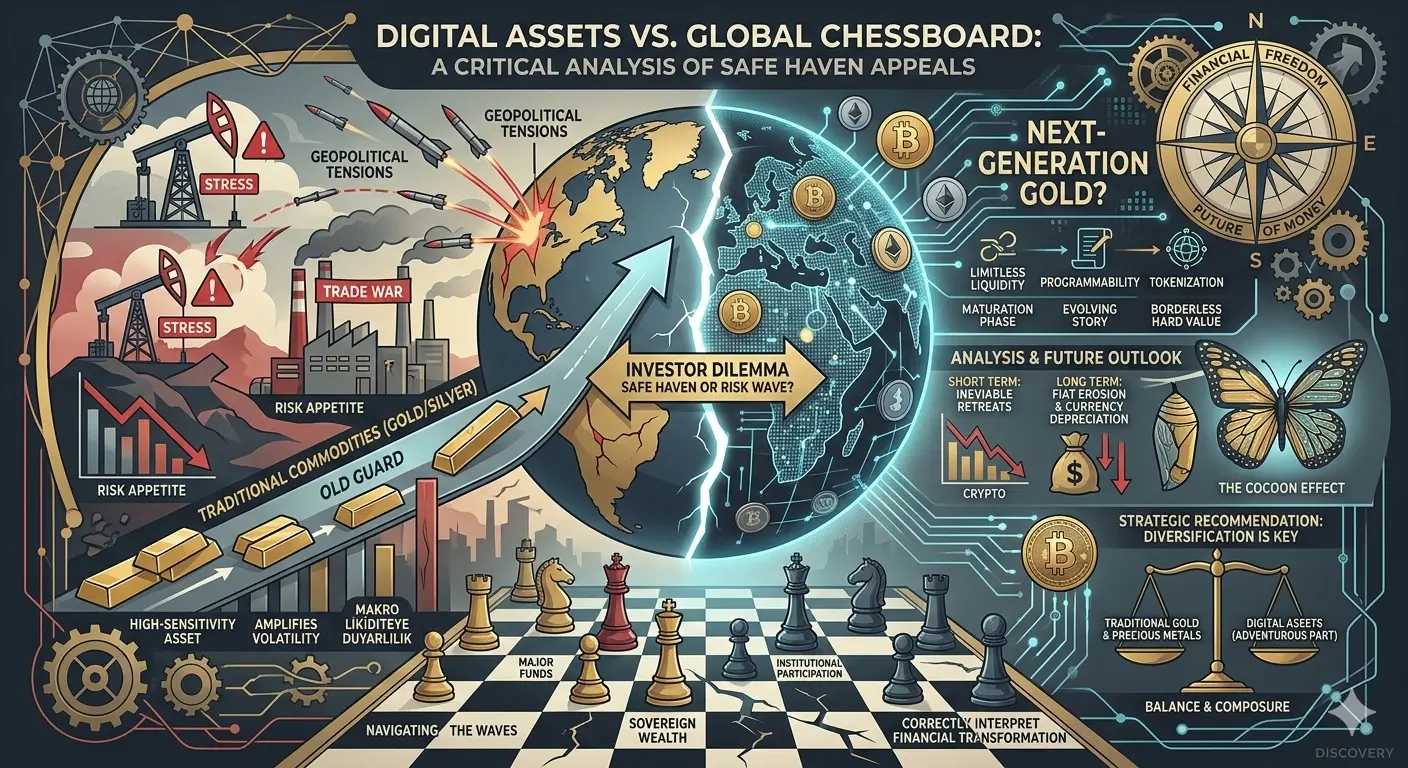
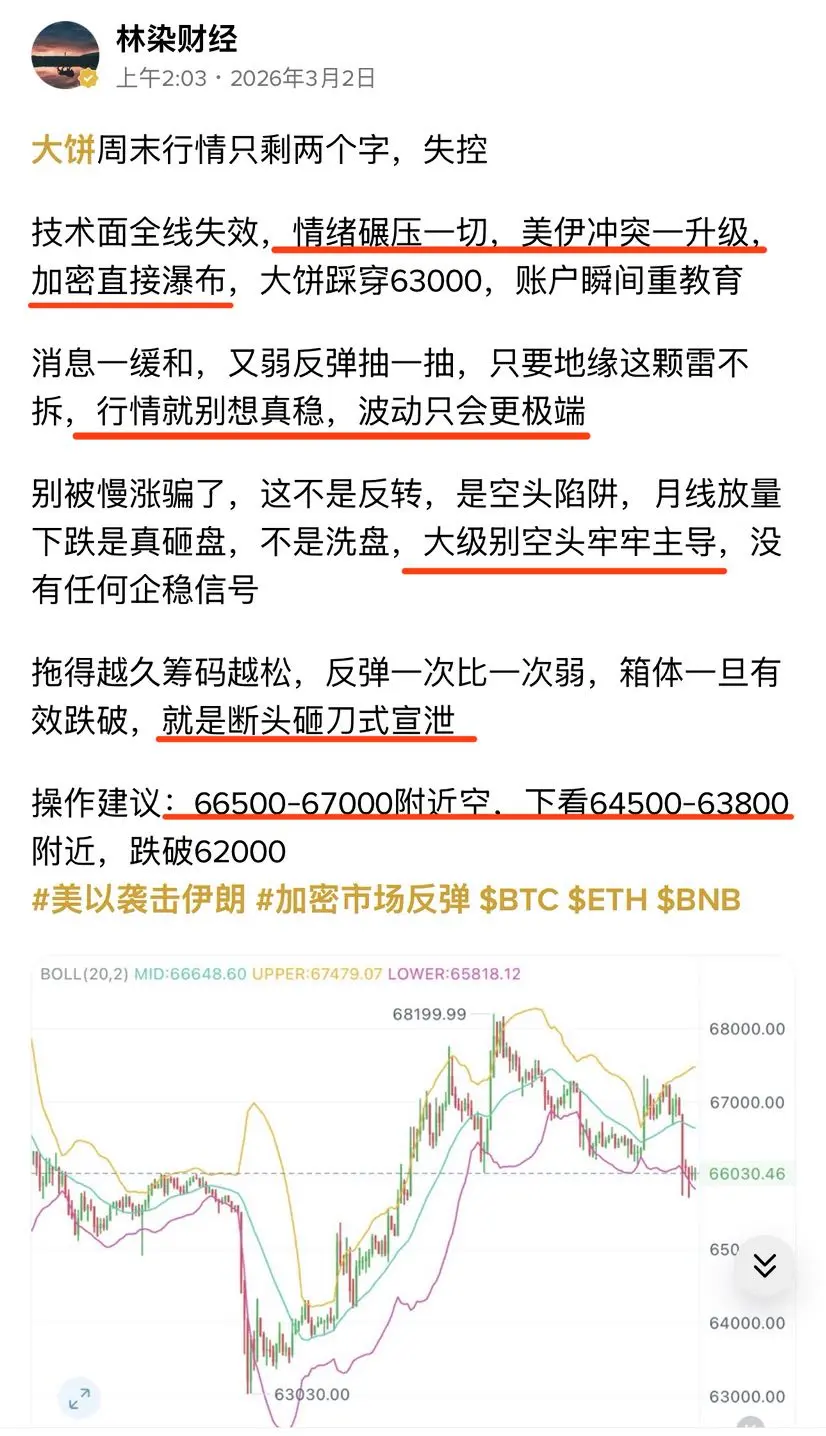
In moments when military and political tensions escalate, we observe a contrast beyond what we are accustomed to in the markets. Following critical operations and conflict reports in the past, traditional commodities climbed to peak points, while digital assets tended to retreat, keeping them firmly in the "high-sensitivity asset" category. In other words, when market stress occurs, these assets amplify volatility rather than remaining stable. This situation emerges not as a geopolitical hedging tool, but rather as an indicator of extreme sensitivity to global liquidity movements.
Furthermore, macroeconomic uncertainties such as global trade wars and new tariff proposals directly undermine risk appetite. There is also an interesting perspective regarding these next-generation assets that struggle to gain momentum in an atmosphere of uncertainty: some strategists predict that the rally in traditional commodities will, at some point, spill over into the digital ecosystem. Inflation expectations driven by conflict and the shaking of confidence in fiat currencies could reposition these assets as "borderless hard value." In particular, the search for a sanctuary away from fiscal pressures acts as a hidden engine strengthening this trend.
Discussions on the subject reflect a complete dilemma. Some sectors argue that these assets have not yet proven their worth in providing protection during times of crisis, while another view suggests that they will transform into the ultimate safe haven by the end of this decade as institutional participation increases. The spread of this trend, already seen in emerging economies, to the Western world could create a refuge independent of political pressures against money printing and debt burden crises.
My analysis on this matter is quite clear: the story of digital assets becoming a safe haven is still in its maturation phase. Historical data shows that during global health crises or economic stagnation periods, these assets move in parallel with risky investment vehicles. However, when we look to the future, the technological advantages they offer cannot be ignored. While traditional values have physical constraints, the digital world offers limitless liquidity and programmability. If major funds and sovereign wealth managements increase their participation, a true paradigm shift could occur.
In the short term, retreats under geopolitical stress seem inevitable; however, in the long run, the depreciation of money will make digital assets shine even brighter. This process is like a butterfly emerging from its cocoon; painful and volatile stages are part of the growth. Strategically, my recommendation is this: diversification is key. While positioning digital assets as the dynamic and innovative part of your portfolio, you must maintain a balance with traditional values. The future will belong to those who navigate these waves with composure and correctly interpret the financial transformation. Where will you choose to stand in this new order?
We are moving through a critical period where global markets have transformed into a giant chessboard, and geopolitical moves can upend all balances at any moment. While recent international tensions have pushed investors' search for a safe haven to the highest level, the title of digital assets as the "next-generation gold" is once again undergoing one of the greatest tests in history. So, does this accumulation of digital value truly behave like traditional hedging instruments, or is it merely a speculative wave rising in stormy seas? Let us examine this complex picture from a deep and professional perspective.
In moments when military and political tensions escalate, we observe a contrast beyond what we are accustomed to in the markets. Following critical operations and conflict reports in the past, traditional commodities climbed to peak points, while digital assets tended to retreat, keeping them firmly in the "high-sensitivity asset" category. In other words, when market stress occurs, these assets amplify volatility rather than remaining stable. This situation emerges not as a geopolitical hedging tool, but rather as an indicator of extreme sensitivity to global liquidity movements.
Furthermore, macroeconomic uncertainties such as global trade wars and new tariff proposals directly undermine risk appetite. There is also an interesting perspective regarding these next-generation assets that struggle to gain momentum in an atmosphere of uncertainty: some strategists predict that the rally in traditional commodities will, at some point, spill over into the digital ecosystem. Inflation expectations driven by conflict and the shaking of confidence in fiat currencies could reposition these assets as "borderless hard value." In particular, the search for a sanctuary away from fiscal pressures acts as a hidden engine strengthening this trend.
Discussions on the subject reflect a complete dilemma. Some sectors argue that these assets have not yet proven their worth in providing protection during times of crisis, while another view suggests that they will transform into the ultimate safe haven by the end of this decade as institutional participation increases. The spread of this trend, already seen in emerging economies, to the Western world could create a refuge independent of political pressures against money printing and debt burden crises.
My analysis on this matter is quite clear: the story of digital assets becoming a safe haven is still in its maturation phase. Historical data shows that during global health crises or economic stagnation periods, these assets move in parallel with risky investment vehicles. However, when we look to the future, the technological advantages they offer cannot be ignored. While traditional values have physical constraints, the digital world offers limitless liquidity and programmability. If major funds and sovereign wealth managements increase their participation, a true paradigm shift could occur.
In the short term, retreats under geopolitical stress seem inevitable; however, in the long run, the depreciation of money will make digital assets shine even brighter. This process is like a butterfly emerging from its cocoon; painful and volatile stages are part of the growth. Strategically, my recommendation is this: diversification is key. While positioning digital assets as the dynamic and innovative part of your portfolio, you must maintain a balance with traditional values. The future will belong to those who navigate these waves with composure and correctly interpret the financial transformation. Where will you choose to stand in this new order?