

Trade
Basic
Futures
Futures
Hundreds of contracts settled in USDT or BTC
TradFi
Gold
Trade global traditional assets with USDT in one place
Options
Hot
Trade European-style vanilla options
Unified Account
Maximize your capital efficiency
Demo Trading
Futures Kickoff
Get prepared for your futures trading
Futures Events
Participate in events to win generous rewards
Demo Trading
Use virtual funds to experience risk-free trading
Earn
Launch
CandyDrop
Collect candies to earn airdrops
Launchpool
Quick staking, earn potential new tokens
HODLer Airdrop
Hold GT and get massive airdrops for free
Launchpad
Be early to the next big token project
Alpha Points
Trade on-chain assets and enjoy airdrop rewards!
Futures Points
Earn futures points and claim airdrop rewards
Investment
Simple Earn
Earn interests with idle tokens
Auto-Invest
Auto-invest on a regular basis
Dual Investment
Buy low and sell high to take profits from price fluctuations
Soft Staking
Earn rewards with flexible staking
Crypto Loan
0 Fees
Pledge one crypto to borrow another
Lending Center
One-stop lending hub
VIP Wealth Hub
Customized wealth management empowers your assets growth
Private Wealth Management
Customized asset management to grow your digital assets
Quant Fund
Top asset management team helps you profit without hassle
Staking
Stake cryptos to earn in PoS products
Smart Leverage
New
No forced liquidation before maturity, worry-free leveraged gains
GUSD Minting
Use USDT/USDC to mint GUSD for treasury-level yields

More




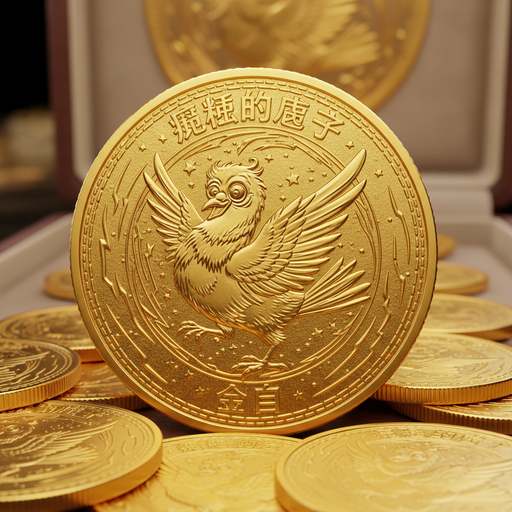


The A7A5 Sanctions Imposed Have Reached $100 Billion in Transaction Volume
Russia continues to use the ruble-pegged stablecoin A7A5 to maintain cross-border transactions amid significant international sanctions. According to blockchain analysis firm Elliptic, A7A5 has become an essential tool for Russian economic activity, with a total transaction volume reaching $100 billion.
How Ruble-Backed Stablecoin Grows Amid Restrictions
Data from Elliptic shows significant growth of A7A5 over the past year. Over 250,000 transactions occurred across more than 41,000 wallet addresses within just one year. The number of accounts using A7A5 increased from 14,000 in mid-2025 to 35,500 currently, indicating growing adoption in the Russian economy.
The primary driver of this growth is Russia’s need to find alternative ways to conduct international trade following Western sanctions imposed after the invasion of Ukraine in 2022. Controls enacted by the US, UK, and EU targeted Russian financial infrastructure, prompting entrepreneurs to seek cryptocurrency-based solutions.
The Role of A7A5 as a Bridge Between Ruble and USDT
A7A5 has become a critical bridge between traditional Russian currency and international stablecoins. Elliptic’s analysis shows that the total trading volume has reached $17.3 billion. The two main trading pairs are A7A5/ruble ($11.2 billion) and A7A5/USDT ($6.1 billion), indicating the dual role of this asset in Russia’s financial ecosystem.
Through A7A5, Russian traders can seamlessly convert between the local currency and Tether’s USDT, which has become an essential tool for international commerce. This mechanism helps entities stay connected to global crypto markets even when traditional banking channels are restricted.
Activity Changes Since Sanctions Were Imposed
However, the momentum of A7A5 has begun to slow in recent months. Daily trading volume has decreased from a peak of $1.5 billion per day last year to approximately $500 million per day in 2026. This decline is directly related to the aggressive enforcement of sanctions by Western powers.
Elliptic reports that there have been no significant new issuances of A7A5 tokens since late 2025. Over 42.5 billion A7A5 are in circulation, with a total value of approximately $547 million USD. This stagnation in supply reflects decreasing demand due to regulatory pressure and technical challenges caused by sanctions.
The collaboration between Elliptic, Tether, and the US Secret Service resulted in the freezing of USDT holdings of the sanctioned Russian crypto exchange Garantex in 2025. While Tether claims they only act upon official legal requests, this scenario demonstrates the vulnerability of crypto platforms to international pressure.
Why A7A5 Has Become Isolated from the Broader Crypto World
Despite its continued use in Russia, A7A5 is becoming increasingly isolated from the international crypto ecosystem. The asset remains focused on domestic and Russian-specific use cases, which do not integrate with global DeFi protocols or international trading venues.
Elliptic notes that Russian crypto adoption remains high, with an estimated 20 million users and $376 billion in crypto received over 12 months. However, the concentration of activity in A7A5 and some other tools indicates a strategic pivot toward domestic solutions rather than participation in global markets.
The long-term implications are still unclear. While A7A5 remains valuable for intra-Russian commerce, its geographical and regulatory isolation could limit future growth prospects. The Russian economy must adapt to a decoupled financial reality where access to global markets is restricted by ongoing economic sanctions imposed by Western nations.