


Minnesota Lawmakers Introduce Bill to Ban Crypto ATMs Statewide Following Surge in Elder Fraud Cases
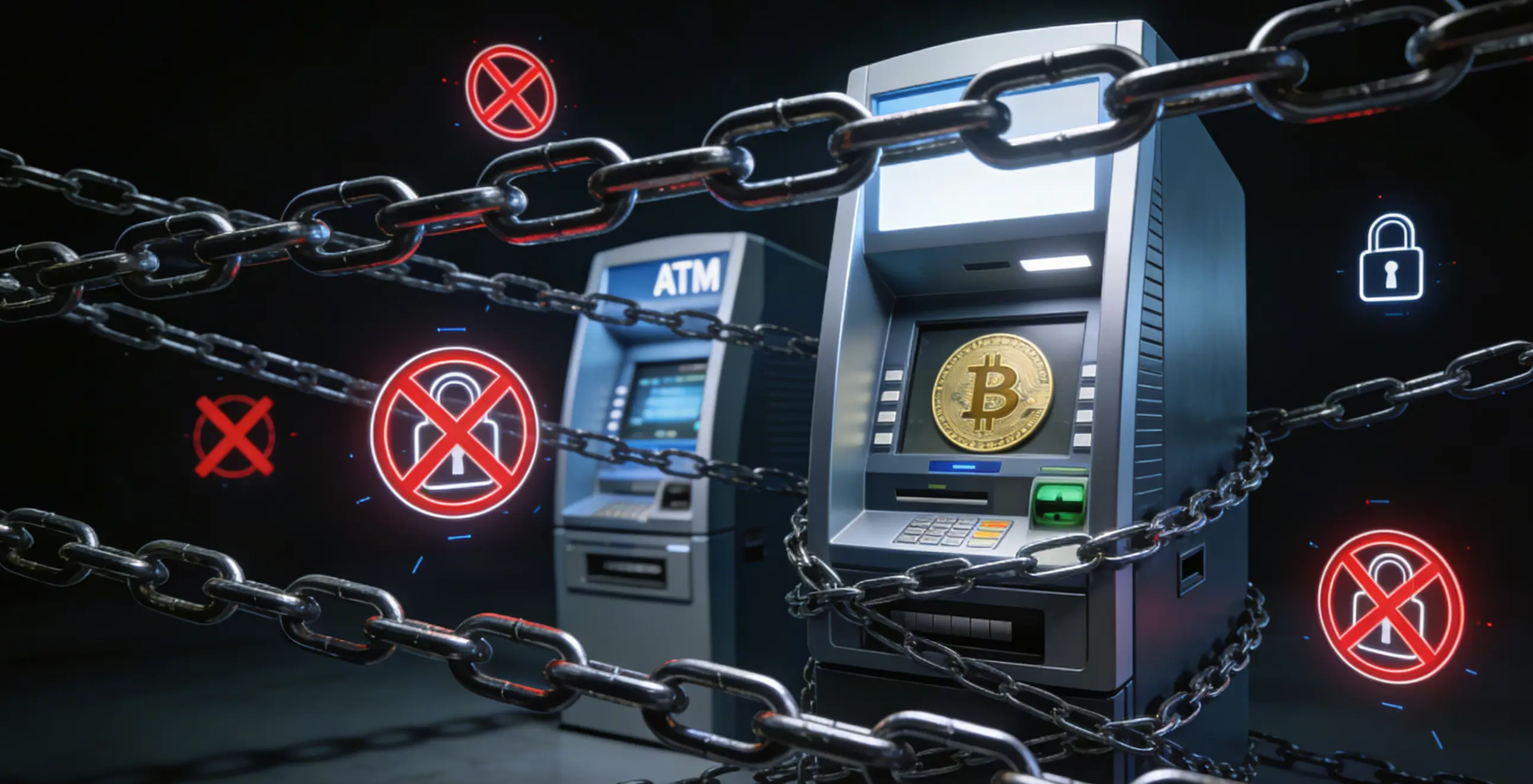 Minnesota legislators are considering HF 3642, a bill introduced March 24, 2026, by Representative Erin Koegel that would prohibit the operation of cryptocurrency kiosks throughout the state, effectively dismantling the existing regulatory framework established in 2024.
The proposed ban follows testimony from law enforcement officials detailing significant financial losses among elderly residents, with the Minnesota Department of Commerce reporting 70 kiosk-related complaints in 2025 totaling $540,000 in losses and indicating that current consumer protections have proven insufficient.
Proposed Legislation and Scope of Ban
HF 3642, introduced before the Minnesota House Commerce Finance and Policy Committee, would impose a comprehensive prohibition on virtual currency kiosks across the state.
Key provisions of the bill include:
-
Complete ban on the placement or operation of “virtual currency kiosks” anywhere in Minnesota
-
Repeal of approximately two dozen sections of existing statute that currently regulate the crypto ATM industry
-
Applicability to physical machines only, with residents remaining able to conduct cryptocurrency transactions through online platforms
The legislation represents a significant escalation from Minnesota’s current regulatory approach, which was enacted in 2024 to address fraud risks through disclosure requirements, transaction limits, and operator licensing.
Current Regulatory Framework and Identified Deficiencies
Minnesota’s existing crypto ATM regulations, passed in 2024, established multiple consumer protection mechanisms that proponents of the ban now argue are inadequate.
The 2024 framework includes:
-
$2,000 daily transaction limit for new customers (defined as account holders of less than 72 hours)
-
Refund requirements mandating full refunds for new customers fraudulently induced to transact, provided they contact the operator and law enforcement within 14 days
-
Licensing requirements for kiosk operators
-
Disclosure obligations requiring operators to warn consumers that virtual currency is not legal tender, transactions are irreversible, and fraud-related losses are generally unrecoverable
Sam Smith, government relations director at the Minnesota Department of Commerce, testified that these safeguards have failed to prevent escalating losses. The department received 70 kiosk-related complaints in 2025 totaling $540,000 in reported losses. Approximately 48% of affected consumers obtained refunds, averaging just 16% of total losses. Smith stated that the department “strongly supports HF 3642,” adding that “previous efforts to increase consumer protections for crypto kiosks have failed.”
Law Enforcement Testimony and Victim Impact
During the March 26, 2026, committee hearing, law enforcement officials provided detailed testimony regarding the human impact of crypto ATM fraud, particularly among elderly and vulnerable populations.
Woodbury Police Detective Lynn Lawrence testified about specific cases including:
-
A fixed-income victim who completed at least 10 bitcoin transactions over six months, sending approximately 50% of her monthly income to scammers
-
The victim required intervention from Adult Protection Services (APS) due to resulting housing and food insecurity
-
The victim expressed fear of becoming homeless and living out of her vehicle after exhausting her savings
Lawrence described crypto kiosks as a “prime target” for individuals seeking to exploit vulnerable residents. The detective’s testimony highlighted law enforcement’s limited ability to recover funds once transferred through these machines.
Additional testimony included:
-
Representative Keith Allen noted that millions of dollars have likely been siphoned from rural communities that “could have been doing a lot of good”
-
A police chief from one Minnesota city submitted a letter stating that “law enforcement has an extremely limited ability to recover funds once transferred”
Scope of Crypto ATM Operations in Minnesota
According to data from Coin ATM Radar, Minnesota hosts approximately 430 cryptocurrency ATMs, concentrated primarily in the Minneapolis metropolitan area. The Minnesota Department of Commerce reported approximately 350 licensed kiosks operated by eight to ten companies statewide.
National fraud statistics provide broader context:
-
FBI data indicates victims reported $333 million in losses tied to crypto ATMs nationwide in 2025
-
Scammers typically direct victims to send cryptocurrency under false pretenses, often impersonating government agencies or technology support services
-
The irreversible nature of cryptocurrency transactions complicates recovery efforts
Industry Response and Parallel Enforcement Actions
The Minnesota legislative action coincides with broader enforcement efforts against crypto ATM operators in other jurisdictions and voluntary compliance measures by industry participants.
Bitcoin Depot, North America’s largest Bitcoin ATM operator, announced earlier this week that it would begin requiring customers to provide personal identification for each transaction. The company described this as a voluntary effort to refine compliance procedures.
This policy change follows a lawsuit filed by Massachusetts Attorney General Andrea Campbell earlier in March 2026, alleging that Bitcoin Depot knowingly facilitated crypto scams while “removing safeguards against fraud and misleading investors in order to line their own pockets.”
Bitcoin Depot has disputed these assertions, with a spokesperson stating that the firm is “built around compliance and consumer protection” and continues to work with law enforcement to combat illicit activity.
CoinFlip General Counsel Larry Lipka testified at the Minnesota hearing that while the ATM operator is aware of scam prevalence using its machines, scammers have multiple tools at their disposal beyond kiosks.
National and International Precedent
Minnesota’s proposed ban follows similar actions in other jurisdictions, though it would represent the first comprehensive statewide prohibition in the United States.
Domestic regulatory actions:
- Illinois enacted the Digital Asset Kiosk Act (SB 2319) in August 2025, requiring operator registration, live customer service establishment, and transaction fee caps at 18%, with daily transactions for new customers limited to $2,500
International restrictions:
-
New Zealand announced a ban on cryptocurrency ATMs in July 2025 as part of anti-money laundering and counter-terrorist financing reforms, with police identifying the country’s 157 machines as primary portals for illicit fund movement
-
Australia proposed expanding the Australian Transaction Reports and Analysis Centre’s power to restrict or prohibit “high-risk products” including crypto kiosks in October 2025, following network growth from 23 to approximately 2,000 machines over six years
Frequently Asked Questions (FAQ)
What would HF 3642 do if passed?
HF 3642 would prohibit the placement and operation of all cryptocurrency kiosks throughout Minnesota, repealing the existing regulatory framework established in 2024. The ban applies only to physical machines; residents would retain the ability to conduct cryptocurrency transactions through online platforms and exchanges.
Why are Minnesota lawmakers proposing a ban on crypto ATMs?
The legislation responds to documented fraud losses, particularly among elderly residents, with law enforcement testifying that victims have lost substantial portions of retirement savings through scams involving crypto kiosks. The Minnesota Department of Commerce reported 70 complaints totaling $540,000 in losses in 2025 and stated that existing consumer protections have proven insufficient.
How would a ban affect existing crypto ATM operators in Minnesota?
If enacted, the ban would require the removal or decommissioning of approximately 430 crypto ATMs currently operating in Minnesota, affecting eight to ten licensed operators. The bill would repeal licensing provisions and other regulatory sections, eliminating the legal framework for kiosk operations in the state.