

Trade
Basic
Futures
Futures
Hundreds of contracts settled in USDT or BTC
TradFi
Gold
Trade global traditional assets with USDT in one place
Options
Hot
Trade European-style vanilla options
Unified Account
Maximize your capital efficiency
Demo Trading
Futures Kickoff
Get prepared for your futures trading
Futures Events
Participate in events to win generous rewards
Demo Trading
Use virtual funds to experience risk-free trading
Earn
Launch
CandyDrop
Collect candies to earn airdrops
Launchpool
Quick staking, earn potential new tokens
HODLer Airdrop
Hold GT and get massive airdrops for free
Launchpad
Be early to the next big token project
Alpha Points
Trade on-chain assets and enjoy airdrop rewards!
Futures Points
Earn futures points and claim airdrop rewards
Investment
Simple Earn
Earn interests with idle tokens
Auto-Invest
Auto-invest on a regular basis
Dual Investment
Buy low and sell high to take profits from price fluctuations
Soft Staking
Earn rewards with flexible staking
Crypto Loan
0 Fees
Pledge one crypto to borrow another
Lending Center
One-stop lending hub
VIP Wealth Hub
Customized wealth management empowers your assets growth
Private Wealth Management
Customized asset management to grow your digital assets
Quant Fund
Top asset management team helps you profit without hassle
Staking
Stake cryptos to earn in PoS products
Smart Leverage
New
No forced liquidation before maturity, worry-free leveraged gains
GUSD Minting
Use USDT/USDC to mint GUSD for treasury-level yields

More


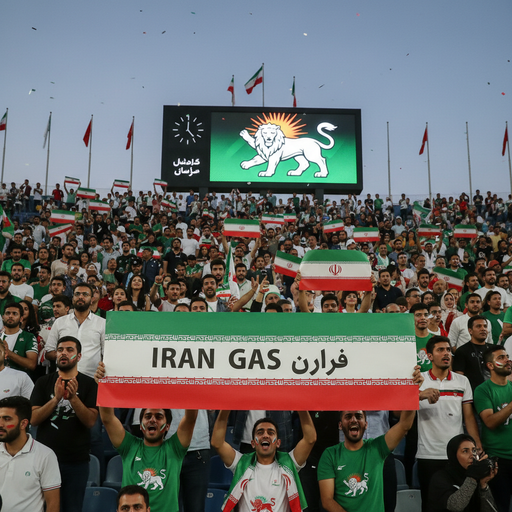



The Strait of Hormuz is the only maritime passage connecting the Persian Gulf with the Indian Ocean, often referred to as the "World's Oil Valve."
Average daily oil transportation: approximately 20 million barrels, accounting for about 20%-25% of global maritime oil trade; liquefied natural gas (LNG) trade: about 20% globally.
The narrowest point is only 33 kilometers wide. Oil-exporting countries in the Gulf, such as Saudi Arabia, Iraq, the United Arab Emirates, and Qatar, almost entirely rely on this passage for crude oil exports. About 90% of Iran's oil exports also pass through this strait.
#原油价格飙升 , Iran states that the strait "is no longer safe." On February 28, 2026, the Iranian Islamic Revolutionary Guard Corps announced a ban on any ships passing through the Strait of Hormuz. Currently, oil tanker traffic has nearly come to a halt, with many ships halting navigation to avoid risks.
Impact on oil prices
Short-term: Brent crude oil has surged over 13%, approaching $84 per barrel. JPMorgan analysis: After a complete blockade of the Strait of Hormuz for 25 days, Middle Eastern oil-producing countries may have to halt production because oil cannot be shipped out. If the blockade continues, oil prices could quickly rise to $100-$130 per barrel.
Impact on monetary policy constraints
Federal Reserve: High oil prices will reduce the likelihood of rate cuts in 2026, making the inflation target (2%) harder to achieve.
European Central Bank: Rising oil prices may force central banks to maintain hawkish stances.
Overall impact: "High oil prices make it more difficult for central banks to cut interest rates, suppressing asset valuations."
Key data:
• About 20% of global LNG supplies will be cut off.
• An increase of $10 per barrel in oil prices could lead to a 10-20 basis point decrease in economic growth over the next 12 months.
• If oil prices stay at $120 per barrel, the US and global economies will suffer a "significant blow."
Historical comparison: The 1970s oil crisis triggered recessions in multiple countries. Analysts note that to create a similar scale of global economic crisis, oil prices would need to reach around $200 per barrel.