


Futures
Hundreds of contracts settled in USDT or BTC
TradFi
Gold
One platform for global traditional assets
Options
Hot
Trade European-style vanilla options
Unified Account
Maximize your capital efficiency
Demo Trading
Futures Kickoff
Get prepared for your futures trading
Futures Events
Join events to earn rewards
Demo Trading
Use virtual funds to experience risk-free trading
Launch
CandyDrop
Collect candies to earn airdrops
Launchpool
Quick staking, earn potential new tokens
HODLer Airdrop
Hold GT and get massive airdrops for free
Launchpad
Be early to the next big token project
Alpha Points
Trade on-chain assets and earn airdrops
Futures Points
Earn futures points and claim airdrop rewards





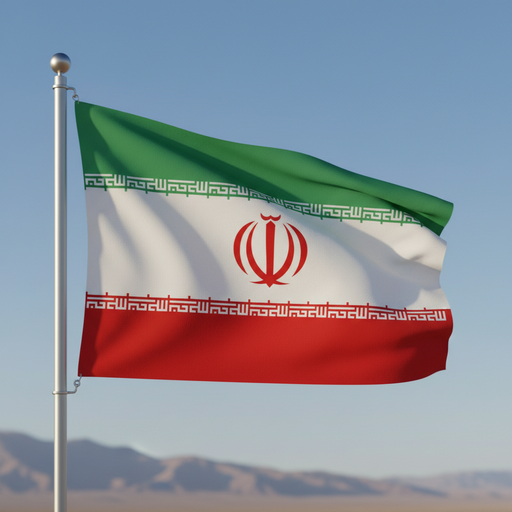
The Moment of Closure in the Strait of Hormuz
On February 28, 2026, the Strait of Hormuz experienced the closest moment in history to a "total shutdown."
Iranian Revolutionary Guard Commander Jafari issued a stern warning during a live television broadcast: "Any ships attempting to pass through the Strait of Hormuz will be destroyed. We will not allow a drop of oil to flow out of this region." Subsequently, several oil tanker owners and traders halted transportation of crude oil, fuel, and liquefied natural gas through this strait. Satellite images showed a large number of ships stranded near major ports such as Fujairah in the UAE.
This narrow waterway, only 21 to 60 kilometers wide, is the true lifeline of global energy supply. Clarksons Research estimates that approximately 11% of global maritime trade passes through the Strait of Hormuz, including 34% of oil exports, 30% of liquefied petroleum gas exports, and 20% of liquefied natural gas trade. JPMorgan analysts estimate that if the strait is completely closed, Middle Eastern oil-producing countries would have to cease production after 25 consecutive days—because the oil cannot be shipped out.
The ripple effects are spreading outward.
International oil prices surged in response, with Brent crude rising nearly 13% at one point, breaking above $82 per barrel, reaching the highest level since July 2025. The shipping market plunged into chaos: Maersk announced rerouting some routes around the Cape of Good Hope, Hapag-Lloyd suspended all ships passing through the strait, and CMA CGM instructed ships to seek safe waters. War risk premiums soared, with some shipping companies beginning to charge an additional $1,500 for every 20-foot container as a "war risk surcharge."
Wang Jun, Chief Expert at GreenGreat Futures, analyzed that the short-term impact of this disruption is expected to last 1 to 4 weeks; if the blockade exceeds a month, oil prices could rise to $100 per barrel or even break through $120.
However, this is a game with no winners.
Iran itself relies on the Strait of Hormuz for 90% of its crude oil exports. A long-term blockade would mean a daily loss of over $100 million. For China, the world’s second-largest oil importer, and countries like Japan and South Korea that depend on Middle Eastern oil for 90%, rising energy costs will directly push up inflation, squeeze manufacturing profits, and test economic resilience.
$BTC
The moment of closure in the Strait of Hormuz is rewriting the underlying logic of the global energy landscape. #美伊局勢影響