


Futures
Access hundreds of perpetual contracts
TradFi
Gold
One platform for global traditional assets
Options
Hot
Trade European-style vanilla options
Unified Account
Maximize your capital efficiency
Demo Trading
Introduction to Futures Trading
Learn the basics of futures trading
Futures Events
Join events to earn rewards
Demo Trading
Use virtual funds to practice risk-free trading
Launch
CandyDrop
Collect candies to earn airdrops
Launchpool
Quick staking, earn potential new tokens
HODLer Airdrop
Hold GT and get massive airdrops for free
Launchpad
Be early to the next big token project
Alpha Points
Trade on-chain assets and earn airdrops
Futures Points
Earn futures points and claim airdrop rewards


More


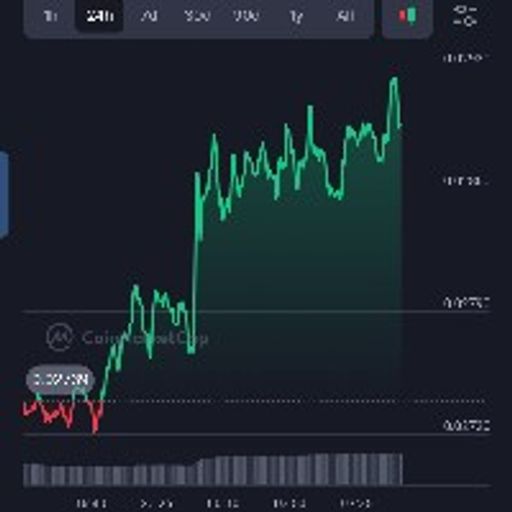



IEA Releases 400 Million Barrels From Oil Reserves What It Means for Oil Prices
Recently, the International Energy Agency (IEA) made a historic decision to release 400 million barrels of oil from emergency strategic reserves the largest coordinated release in its history. This move was agreed upon by all IEA member countries as a response to growing global energy market disruptions triggered by intense geopolitical tensions in the Middle East, particularly the war involving Iran and the closure of the Strait of Hormuz.
The IEA’s emergency reserves are held by OECD member countries as a safeguard against sudden supply shocks. Under normal circumstances, these reserves are intended to provide about 90 days’ worth of import coverage if global oil supplies are severely disrupted. In the past, the IEA tapped these reserves during major crises, such as the Gulf War, hurricanes, and the Russia‑Ukraine conflict. This 400 million barrels release is by far the largest single release ever.
Why Was This Decision Made?
The IEA’s decision to release oil was driven by severe supply shortages caused by war-related disruptions in the Middle East. The Strait of Hormuz is a critical chokepoint for global oil transport, with nearly 20% of world oil shipments normally passing through it. Recent escalations significantly reduced this flow, creating an unprecedented supply gap in global energy markets.
With daily oil movement through the strait collapsing, global supply was estimated to be short by millions of barrels per day, pushing Brent crude prices above $100 per barrel in early March 2026. The IEA’s action was aimed at easing this pressure and calming market fears about supply shortfalls.
Has the Oil Been Released Yet?
Yes. The IEA and its member nations have already begun the process of releasing the 400 million barrels from their strategic reserves. This operational execution is underway, with participating countries contributing agreed amounts over a period of time. Some nations are even increasing domestic production or drawing more heavily on reserves to meet their pledges.
However, the release is not instantaneous delivery into global markets. Emergency reserves are typically released in phased allocations, meaning barrels are introduced gradually to avoid logistical bottlenecks and to manage how supply is added into the market. This means the full impact may be spread over weeks or months.
Will This Stabilize Oil Prices?
In the short term, the IEA’s release has had some stabilizing effect on oil markets. Prices that were driven to extreme volatility began to ease slightly following the announcement, and some crude benchmarks saw temporary price declines as traders factored in the expected new supply.
However, most market analysts caution that this release may not completely solve the problem if geopolitical tensions persist. Because the underlying supply disruption especially the blockage or risk associated with the Strait of Hormuz remains unresolved, the emergency release may only mitigate price spikes temporarily rather than lead to a sustained drop in prices.
Several energy strategists have pointed out that while 400 million barrels is a very large release by historical standards, when compared to daily global oil consumption and the size of the supply disruption, it may not be sufficient to fully counter price pressure if the conflict continues.
How This Affects Daily Oil Prices:
Oil markets are highly sensitive to perceptions of supply risk. Even after the IEA’s announcement, prices remained elevated because traders see the release as a temporary supply cushion rather than a permanent solution. If conflict conditions worsen or if transportation disruptions continue, prices could continue to trend upward despite the emergency intervention.
In recent trading sessions following the release, some oil futures gained value as the market reacted to continued geopolitical risk rather than the added barrels of supply. This reflects a common pattern: markets often price in risk and uncertainty more strongly than short-term corrective actions.
Long-Term Implications:
For long-term stability, energy markets need more than just emergency releases. Sustainable production increases, resolution of geopolitical conflicts, and restored shipping through critical routes like the Strait of Hormuz are essential to balance supply and demand over time. The IEA’s action is a powerful tactical response to an immediate crisis, but lasting price stability depends on broader global energy security improvements.
The 400 million barrel release demonstrates the IEA’s ability to mobilize strategic reserves in times of crisis and shows international cooperation in action. But it also highlights the fragility of global energy supply chains and the importance of diversified sources and infrastructure improvements to withstand future shocks.
Bottom Line:
The IEA has released 400 million barrels from emergency oil reserves in response to severe supply disruptions tied to Middle East conflict.
The release process is ongoing and phased, not instant.
There has been some short-term calming effect on prices, but it may not fully stabilize markets if underlying supply risks remain.
Long-term price stability depends on easing geopolitical tensions and restoring supply routes, not just reserve releases.
This coordinated release shows how global agencies can act decisively to manage oil market volatility, but it also underscores the continuing uncertainty in energy markets due to geopolitical risks.
#IEAReleases400MBarrelsFromOilReserves