


Futures
Access hundreds of perpetual contracts
TradFi
Gold
One platform for global traditional assets
Options
Hot
Trade European-style vanilla options
Unified Account
Maximize your capital efficiency
Demo Trading
Introduction to Futures Trading
Learn the basics of futures trading
Futures Events
Join events to earn rewards
Demo Trading
Use virtual funds to practice risk-free trading
Launch
CandyDrop
Collect candies to earn airdrops
Launchpool
Quick staking, earn potential new tokens
HODLer Airdrop
Hold GT and get massive airdrops for free
Launchpad
Be early to the next big token project
Alpha Points
Trade on-chain assets and earn airdrops
Futures Points
Earn futures points and claim airdrop rewards


More





#USPlansMultinationalEscortForHormuz
#USPlansMultinationalEscortForHormuz
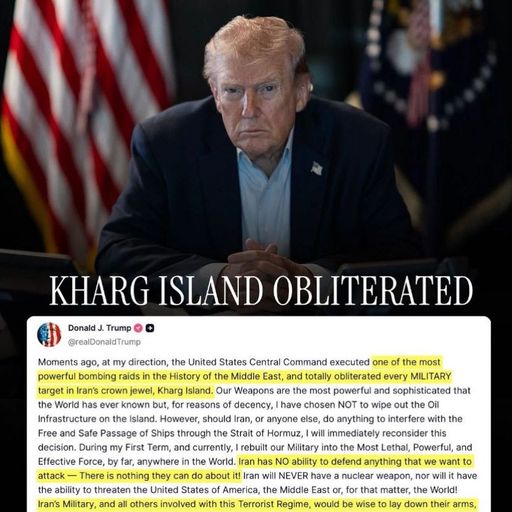
U.S. Proposes Multinational Naval Escort to Secure Strait of Hormuz
Rising geopolitical tensions in the Middle East have prompted the United States to consider organizing a multinational naval escort mission to protect commercial shipping passing through the Strait of Hormuz. The strategic waterway remains one of the most critical energy transit routes in the world, carrying a significant portion of global oil shipments each day.
The proposal aims to safeguard tanker routes amid increasing security concerns and ensure uninterrupted global energy flows.
Why the Strait of Hormuz Matters
The Strait of Hormuz connects the Persian Gulf to the Gulf of Oman, acting as a narrow but vital corridor for international maritime trade.
A large share of the world’s crude oil exports from major producers such as Saudi Arabia, Iraq, Kuwait, and the United Arab Emirates must pass through this chokepoint before reaching global markets.
Because of this strategic importance, any threat to shipping in the region immediately triggers volatility in global energy markets.
The Multinational Escort Proposal
The United States has suggested forming an international naval coalition that would escort oil tankers and commercial vessels moving through the Strait.
The objective is to create a secure maritime corridor where ships can travel under the protection of coordinated naval forces from allied countries.
Such missions typically involve surveillance aircraft, naval destroyers, and rapid response units that monitor and defend shipping routes against potential threats.
Global Security Implications
The escort initiative reflects growing concerns about maritime security in the region. Tensions between Iran and Western powers have previously resulted in tanker incidents, drone activity, and shipping disruptions near the Strait.
By forming a multinational escort system, the United States aims to deter attacks and reduce the risk of escalation that could threaten international energy supply chains.
Several allied nations may participate in the operation, reinforcing a collective security framework for one of the world’s most critical maritime passages.
Impact on Energy Markets
Whenever security risks rise in the Strait of Hormuz, global oil markets react quickly. Even the possibility of disruptions can push crude oil prices higher due to fears of supply shortages.
Ensuring the safety of shipping routes through multinational escorts could stabilize market sentiment and reassure energy importers across Asia and Europe.
However, analysts warn that geopolitical tensions in the region remain complex, meaning that volatility may continue despite enhanced security measures.
Economic Ripple Effects
The stability of the Strait of Hormuz affects far more than just oil prices. Shipping costs, insurance premiums, and global trade logistics are all closely tied to the safety of maritime corridors in the Middle East.
If escort missions successfully maintain secure transit routes, they could help prevent disruptions that might otherwise trigger global inflation through higher energy and transportation costs.
Strategic Outlook
The proposal to organize multinational naval escorts underscores the continuing importance of maritime security in global geopolitics.
As energy demand remains high and regional tensions fluctuate, protecting key shipping routes will remain a priority for international powers.
For global markets, the security of the Strait of Hormuz will continue to serve as a major indicator of energy stability and geopolitical risk.
Analysis by Vortex King 🌍⚡