Crossing the Digital Divide: Connect to the Polygon Network

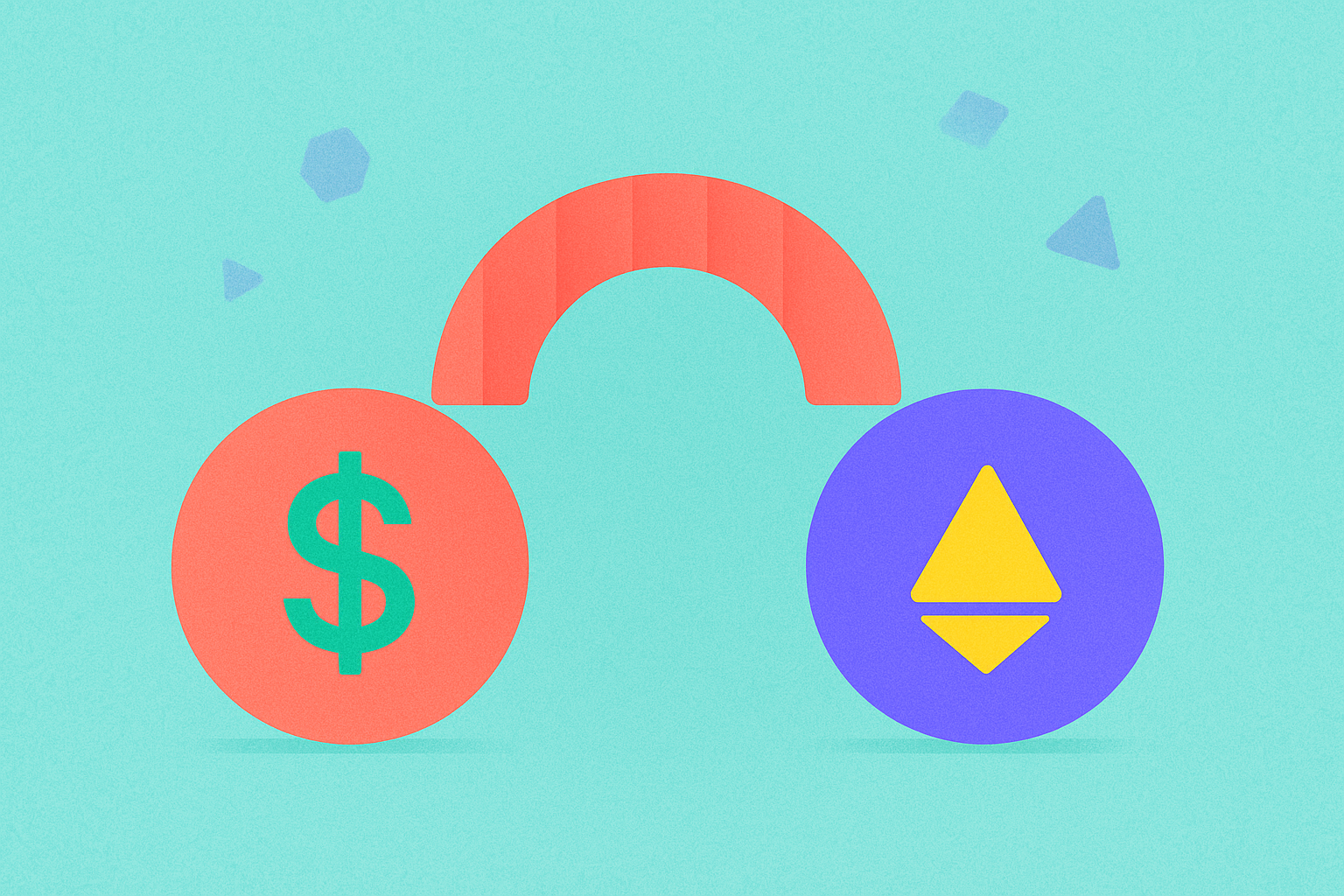
How to bridge to Polygon
Bridging assets to Polygon is a fundamental skill for anyone navigating the cryptocurrency ecosystem. This comprehensive guide explores the process of transferring digital assets from Ethereum and other blockchains to Polygon, covering both decentralized and centralized bridging methods using various polygon bridges.
Introduction to Polygon and blockchain bridging
Blockchain bridging represents a critical infrastructure component that enables interoperability between isolated blockchain networks. Each blockchain operates as an independent system with its own native tokens and protocols, inherently unable to communicate with other chains. Polygon bridges solve this limitation by facilitating the transfer of digital assets across multiple chains, allowing users to leverage the unique features and applications available on different networks.
Polygon blockchain stands out as an Ethereum-compatible layer-2 scaling solution that offers significantly enhanced performance compared to the Ethereum mainnet. The network provides substantially lower transaction fees—often a fraction of Ethereum's costs at any given time—while maintaining compatibility with Ethereum's ecosystem. These characteristics make Polygon particularly suitable for various applications including decentralized finance (DeFi) protocols, blockchain gaming, non-fungible token (NFT) marketplaces, and other use cases where transaction efficiency is paramount. Understanding how to use polygon bridges to transfer assets is essential for accessing this vibrant ecosystem.
Preparing for bridging: wallet and asset selection
Successful bridging begins with proper preparation, starting with selecting an appropriate cryptocurrency wallet. A comprehensive Web3 wallet solution offers robust security measures and multi-chain support. Quality wallets provide bank-level security protocols while enabling users to store Bitcoin and various other digital currencies securely. Additionally, they facilitate seamless access to decentralized applications (DApps) and specialized marketplaces.
When preparing to bridge assets between chains using polygon bridges, users must ensure they possess the native tokens required for both the source and destination networks. For Ethereum-to-Polygon transfers, ETH is necessary to complete the initial transaction on the Ethereum network. While MATIC (Polygon's native token) isn't required for the bridging transaction itself, it becomes essential for subsequent interactions with bridged assets on the Polygon network. Furthermore, users should verify that their intended asset is supported on both chains by consulting the bridge service's list of compatible tokens before initiating any transfer.
Exploring bridge services
The cryptocurrency ecosystem offers two primary categories of polygon bridges: decentralized and centralized solutions, each with distinct advantages.
Decentralized polygon bridges represent the most common approach to cross-chain transfers. Polygon Portal, developed by the Polygon Foundation, serves as a widely-trusted ETH-to-Polygon bridge that has established a strong reputation for security and reliability. Alternative options include Allbridge and Wormhole, which offer advanced control features for experienced users. Various cross-chain swap aggregators provide additional decentralized solutions by aggregating prices from numerous sources, optimizing transfer routes to minimize both slippage and transaction fees.
Centralized bridge services, offered through major cryptocurrency exchanges, provide a straightforward alternative approach. Using established platforms as examples, users can deposit assets via one blockchain network and withdraw them through another. This process involves creating an account, depositing USDT (or other supported assets) using the ERC-20 network, waiting for confirmation, and then withdrawing the funds to a Polygon address using the USDT-Polygon network. This method offers simplicity and eliminates concerns about slippage or complex network fees.
Bridging process: a step-by-step guide
The practical process of using polygon bridges involves several clearly defined steps, whether using Polygon Portal or other cross-chain swap services.
For Polygon Portal, users begin by connecting their Web3 wallet to the platform. After authentication, the bridging interface requires users to specify: the source chain (Ethereum), the token type (ETH), the transfer amount, and the destination chain (Polygon POS). An optional "refuel gas" feature allows users to convert a portion of their ETH to MATIC during the bridge, ensuring they have the native currency needed for future Polygon transactions. After reviewing all parameters, users confirm the transaction through their wallet, initiating the cross-chain transfer.
Cross-chain aggregators offer an alternative decentralized approach through their polygon bridges functionality. After connecting a wallet, users configure the swap parameters by selecting Ethereum as the source chain with the desired ETH amount, and Polygon as the destination chain to receive WETH (Wrapped ETH). The platform automatically displays the expected output amount and allows advanced users to adjust slippage tolerance and routing options. Confirming the transaction through the wallet popup completes the process, with the aggregator automatically sourcing the best price across multiple bridges.
Understanding fees and timelines
Decentralized polygon bridges involve multiple fee components that users should understand before initiating transfers. Ethereum gas fees represent the cost of executing transactions on the Ethereum network. Bridge service fees compensate the platform facilitating the cross-chain transfer. Polygon transaction fees cover the cost of receiving assets on the destination network. Conversion fees apply when assets aren't native to the destination blockchain, such as converting ETH to Wrapped ETH (WETH) on Polygon, where WETH maintains a 1:1 peg with ETH's value.
Transaction timelines depend on several factors across different stages of the bridging process. Ethereum confirmation time varies based on gas fees paid, with adequately funded transactions typically completing within seconds. Bridge processing time differs between services, with platforms like Polygon Portal providing estimated completion times before confirmation, though actual times may vary during periods of high usage. Finally, Polygon's efficient blockchain enables rapid final confirmation, typically delivering bridged assets to destination wallets within seconds.
Security measures and best practices
Security represents a paramount concern when using polygon bridges, as bridges operate through smart contracts that require access to wallet funds. To maintain secure transactions, users should exclusively utilize reputable, established polygon bridges like Polygon Portal. Creating a separate wallet specifically for DApp interactions, rather than using a primary holdings wallet, adds an important security layer. After completing bridge transactions, users should employ tools such as Revoke to remove ongoing smart contract access to their wallets.
Alternatively, centralized platforms offer an additional security option through their institutional-grade security measures and Proof of Reserves transparency. Several common pitfalls should be avoided during the bridging process. Users must carefully review all transaction details before submission, as blockchain transactions are irreversible once confirmed. Monitoring Ethereum gas fees during network congestion can prevent unexpectedly high costs—considering alternative timing or using centralized platforms during peak periods may be advisable. Additionally, ensuring adequate liquidity for the target asset prevents excessive slippage, making it preferable to bridge well-established, liquid assets.
Troubleshooting and support
Common issues during bridging with polygon bridges include stuck transactions and compatibility problems. Transaction delays typically result from insufficient gas fees on Ethereum, causing transactions to fail and funds to return to the originating wallet. Bridge congestion can also cause delays, though reputable polygon bridges are designed to process these transactions eventually, requiring patience from users. Cross-chain compatibility should always be verified before initiating transfers, ensuring sufficient liquidity exists for the bridged asset on the destination chain.
When problems arise, the cryptocurrency community offers extensive support resources. Polygon Portal users can access official support documentation and FAQ resources, with ticket submission available for unresolved issues. Reputable bridging providers maintain dedicated support systems, and users should exclusively use official support channels while remaining vigilant against fraudulent links or impersonators.
Conclusion
Bridging assets to Polygon represents an essential capability for participating in the broader cryptocurrency ecosystem. This process, whether conducted through decentralized polygon bridges like Polygon Portal and various cross-chain aggregators or centralized platforms, enables users to access Polygon's efficient, low-cost blockchain environment. Success requires understanding multiple components: proper wallet selection and preparation, familiarity with available polygon bridges, careful attention to fees and timelines, implementation of security best practices, and awareness of troubleshooting resources. By following the comprehensive guidance outlined in this article and maintaining vigilance regarding security measures, users can confidently navigate the bridging process, unlocking access to Polygon's extensive DeFi, gaming, and NFT ecosystems while managing risks appropriately. As blockchain interoperability continues to evolve, mastering cross-chain bridging through reliable polygon bridges becomes increasingly valuable for maximizing opportunities across the decentralized web.
FAQ
What is the Polygon bridge?
The Polygon bridge enables fast, low-cost asset transfers between Ethereum and Polygon networks. It supports bridging ERC-20 tokens, offering a simple process without technical complexity.
Is Polygon (MATIC) a good investment?
Yes, Polygon (MATIC) is a promising investment. Its role in scaling Ethereum and growing adoption in the blockchain ecosystem make it a strong long-term prospect.
What is the future of Pol token?
POL's future looks promising with Polygon's Layer 2 advancements. Market trends show mixed short-term signals but long-term optimism, supported by strong ecosystem fundamentals.
How to use a Polygon bridge?
Select the asset on Ethereum, initiate the transfer, and confirm the transaction to move it to the Polygon Network.
Share
Content
How to Buy Cryptocurrency


Trending Cryptocurrencies



XZXX: A Comprehensive Guide to the BRC-20 Meme Token in 2025

Bitcoin Fear and Greed Index: Market Sentiment Analysis for 2025
Top Crypto ETFs to Watch in 2025: Navigating the Digital Asset Boom

5 ways to get Bitcoin for free in 2025: Newbie Guide

Bitcoin Market Cap in 2025: Analysis and Trends for Investors

2025 Bitcoin Price Prediction: Trump's Tariffs' Impact on BTC

What is MNT: A Comprehensive Guide to Managed Network Services and Technology Solutions
What is DAI: A Comprehensive Guide to the Decentralized Stablecoin and Its Role in DeFi

What is SHIB: A Comprehensive Guide to the Shiba Inu Token and Its Role in the Cryptocurrency Market

What is HBAR: A Comprehensive Guide to Hedera's Native Cryptocurrency and Its Role in the Ecosystem
2025 SUI Price Prediction: Will Sui Reach New Highs in the Coming Year?