Understanding Bitcoin ATMs: How They Operate

What Are Bitcoin ATMs?
What Is a Bitcoin ATM?
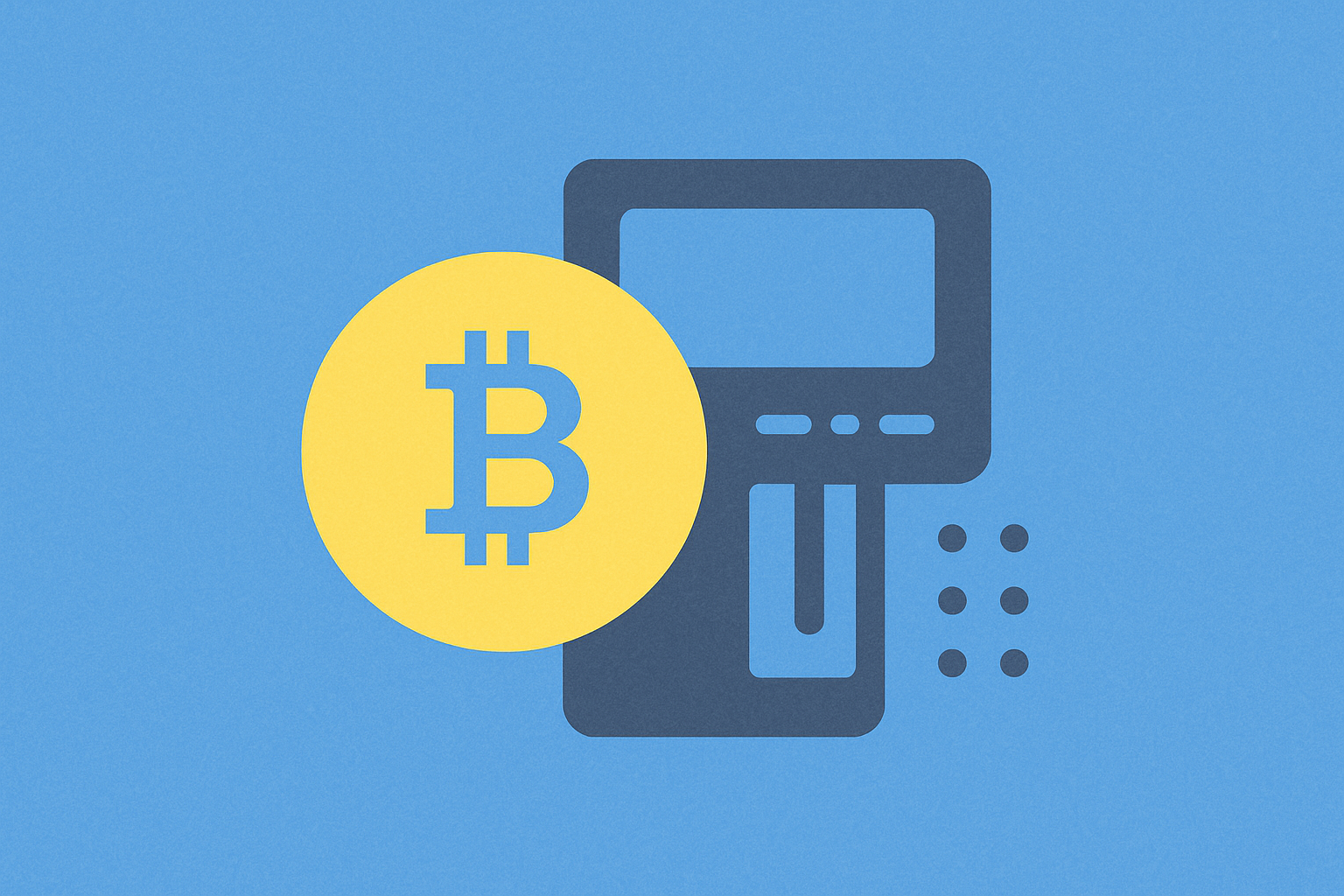
A Bitcoin ATM, also known as a BTM (Bitcoin Teller Machine), is a physical automated machine that enables users to interact with the cryptocurrency market in a tangible way. Unlike traditional ATMs that connect to your bank account, Bitcoin ATMs serve as a bridge between the physical and digital worlds of finance, allowing individuals to purchase or sell bitcoin and sometimes other cryptocurrencies using cash or debit cards.
These machines are strategically placed in public locations, making cryptocurrency accessible to people who may not be comfortable with online platforms or who prefer cash transactions. The operational concept mirrors that of conventional bank ATMs, but instead of withdrawing or depositing fiat currency into a bank account, users are exchanging physical money for digital assets or vice versa. This makes Bitcoin ATMs particularly appealing to cryptocurrency newcomers who want a straightforward, physical interaction point for their first crypto purchase.
How Do Bitcoin ATMs Work?
Understanding how does a Bitcoin ATM work is essential for anyone considering using one. The operational mechanism of Bitcoin ATMs is designed to be user-friendly and intuitive. When purchasing bitcoin, the process involves inserting cash into the machine and scanning a QR code from your cryptocurrency wallet. The ATM then automatically transfers the corresponding amount of bitcoin to your wallet address after processing the transaction. It's important to note that users must have a pre-existing crypto wallet set up before using these machines, as this is where the purchased cryptocurrency will be stored.
How does a Bitcoin ATM work in terms of functionality varies by location and machine type. Some machines offer bidirectional services, meaning they support both buying and selling operations. However, many ATMs are unidirectional, supporting only purchase transactions or only sales transactions. For selling bitcoin, users send their coins from their wallet to an address provided by the machine. Once the transaction receives confirmation on the blockchain network—a process that can take varying amounts of time depending on network congestion—the ATM dispenses the equivalent cash amount. This blockchain confirmation requirement is a crucial security feature but can mean users need to wait before completing their transaction.
What's the Catch? Fees!
The primary drawback of Bitcoin ATMs lies in their fee structure, which can be significantly higher than other cryptocurrency purchasing methods. These machines typically charge between 7% and 20% per transaction, representing a substantial premium compared to online alternatives. This fee range is considerably steeper than what users would encounter on online cryptocurrency platforms, which generally charge between 1% and 4% for bank deposits or credit card purchases.
Beyond the percentage-based fees, Bitcoin ATMs often impose additional restrictions. Many machines establish minimum transaction amounts, such as requiring at least $10 worth of bitcoin per purchase. Similarly, maximum transaction limits are common, sometimes capping purchases at a few thousand dollars per transaction. These limitations can affect both casual users making small purchases and serious investors looking to acquire larger amounts of cryptocurrency.
Users should exercise caution when selecting a Bitcoin ATM, as the market includes both legitimate and fraudulent machines. It's advisable to choose ATMs that display recent positive ratings, provide clear owner contact information, show transparent pricing feeds, and present detailed fee schedules. These indicators help verify the machine's authenticity and ensure you're not falling victim to a scam operation.
Where Can You Find Bitcoin ATMs?
The proliferation of Bitcoin ATMs has mirrored the growing mainstream acceptance of cryptocurrency. Currently, tens of thousands of crypto ATMs operate worldwide, with the United States hosting the majority of these machines. However, their presence is steadily expanding across other countries as cryptocurrency adoption increases globally.
These machines are strategically positioned in high-traffic, publicly accessible locations. Common placement sites include gas stations, shopping malls, convenience stores, and airports. This strategic positioning makes Bitcoin ATMs accessible to a broad demographic, from travelers needing quick crypto access to local residents seeking convenient purchasing options. The geographical distribution continues to evolve, with new machines being installed regularly in response to growing demand.
Pros and Cons of Bitcoin ATMs
Bitcoin ATMs offer several distinct advantages that make them appealing to certain user segments. First, they are remarkably easy to use, making them an excellent entry point for beginners who find online platforms intimidating or confusing. The physical, tangible nature of the transaction can provide comfort to those new to cryptocurrency. Second, these machines are exceptionally cash-friendly, enabling users to purchase bitcoin with physical currency without requiring a bank account or online payment method. This feature is particularly valuable for individuals who prefer cash transactions or have limited banking access. Third, Bitcoin ATMs offer relatively quick transactions, eliminating the multi-day waiting periods often associated with bank transfers to online platforms.
However, these benefits come with significant disadvantages. The most notable drawback is the high fee structure, which makes Bitcoin ATM transactions considerably more expensive than online alternatives. Users pay a substantial premium for the convenience these machines provide. Additionally, despite their growing numbers, Bitcoin ATMs still have limited availability in many regions, meaning users might struggle to find a nearby machine depending on their location. Finally, security risks represent a serious concern. Like any device handling money, Bitcoin ATMs can be targets for theft or fraud. The existence of fake machines in the market adds another layer of risk, requiring users to exercise vigilance and carefully verify machine authenticity before conducting transactions.
How to Use a Bitcoin ATM?
Understanding how does a Bitcoin ATM work in practice involves following a straightforward process, though proper preparation is essential. The first step requires obtaining a cryptocurrency wallet capable of generating QR codes, as this will serve as the destination address for your bitcoin purchases. Without a wallet, you cannot receive the cryptocurrency you purchase.
Next, locate a Bitcoin ATM using online locator services, but exercise caution regarding fake machines. Select an ATM with recent positive ratings and clear information, including owner contact details, transparent pricing feeds, and explicit fee schedules. These indicators help ensure you're using a legitimate machine.
Many machines incorporate identity verification requirements, which may include providing a phone number or photo identification. The extent of verification often depends on the transaction amount, with larger purchases typically requiring more comprehensive identity confirmation.
When ready to purchase, scan your wallet's QR code at the machine so it knows where to send the bitcoin. Follow the on-screen instructions to either insert cash or swipe your debit card for the desired purchase amount. After making payment, confirm the transaction and wait for blockchain verification. Once the network confirms the transaction—a process whose duration depends on blockchain congestion—your bitcoin will appear in your wallet. Patience may be necessary during high-traffic periods when the network experiences increased activity.
Should I Use a Bitcoin ATM?
The decision to use a Bitcoin ATM depends heavily on individual circumstances and priorities. These machines can be an appropriate choice for individuals seeking a simple, straightforward method to purchase bitcoin with cash, particularly those uncomfortable with online platforms or lacking traditional banking access. The tangible, physical nature of the transaction provides a comfort level that some users find valuable.
However, for the majority of cryptocurrency users, the drawbacks significantly outweigh the benefits. The substantially higher fees make purchases considerably more expensive than necessary, and the security risks—including the presence of fraudulent machines—add concerning complications. For most people, the convenience offered by Bitcoin ATMs cannot justify the significantly elevated costs and potential security vulnerabilities.
The practical reality is that purchasing cryptocurrency through reputable online platforms is typically cheaper, safer, and more efficient. These platforms offer lower fees, better security measures, and more comprehensive user protections. While Bitcoin ATMs serve a niche purpose and provide value in specific scenarios, they should generally be considered a last resort rather than a primary method for entering the cryptocurrency market.
Conclusion
Bitcoin ATMs represent an interesting intersection of traditional financial infrastructure and emerging cryptocurrency technology. Understanding how does a Bitcoin ATM work reveals they offer an accessible, tangible entry point into the digital currency world, particularly for those preferring cash transactions or seeking simplicity. However, their high fee structure—typically ranging from 7% to 20% per transaction—and associated security risks make them a costly convenience that most users should avoid when alternatives are available. While they serve specific use cases and provide value for certain demographics, the majority of cryptocurrency purchasers will find better value, security, and efficiency through reputable online platforms. As the cryptocurrency ecosystem continues to evolve, Bitcoin ATMs will likely remain a niche solution rather than a primary access point, serving those with specific needs for cash-based, physical cryptocurrency transactions despite the premium costs involved.
FAQ
How much does Bitcoin ATM charge per $100?
Bitcoin ATM fees typically range from $8 to $20 per $100 transacted, with some machines charging as low as $4. Fees vary depending on the machine operator and location.
Do Bitcoin ATMs give you cash?
Most Bitcoin ATMs dispense cash when you sell cryptocurrency. However, their primary function is to convert your cash into Bitcoin. Bidirectional machines allow both buying and selling transactions for cash.
How much cash is $100 in Bitcoin?
$100 in Bitcoin is approximately 0.00108 BTC as of December 2025. The exact amount varies based on real-time market prices, so check current rates before any transaction.
How do I use Bitcoin ATM first time?
Scan your wallet's QR code on the ATM screen, insert cash into the machine, verify the transaction amount, and confirm. The process typically completes in 5-10 minutes. Follow all on-screen instructions carefully for a smooth experience.
Share
Content
How to Buy Cryptocurrency


Trending Cryptocurrencies



How to convert BTC to CAD: The best exchange rate and platform in 2025

Top Bitcoin Faucet

How Many Quarters Make $20: A Guide for Crypto Beginners in 2025

How to Redeem Physical Bitcoin: Step-by-Step Guide
How to Scan Bitcoin QR Code: Step-by-Step Guide for Beginners

How to Mine Bitcoin for Free

What are the key security risks and smart contract vulnerabilities affecting ASTER crypto in 2025?

How Does On-Chain Data Analysis Impact HBAR Price Movements in 2025?

What is On-Chain Data Analysis: Active Addresses, Transaction Volume, and Whale Distribution Explained

How much will Kaspa (KAS) price fluctuate between support levels of $0.04 and $0.12 in 2025?

What is Token Economics Model: How LUNC's 1.2% Burn Tax and Deflationary Mechanism Work