ما هو CLOB؟
دفتر أوامر الحد المركزي (Central Limit Order Book - CLOB) هو نموذج تداول تُرتب فيه أوامر الشراء والبيع حسب السعر والوقت، ويقوم النظام بمطابقتها للتنفيذ. يُستخدم هذا النظام على نطاق واسع في تداول العملات الرقمية الفورية والمشتقات، حيث يتيح للمستخدمين اختيار التنفيذ بسعر مستهدف أو البحث عن تنفيذ فوري.
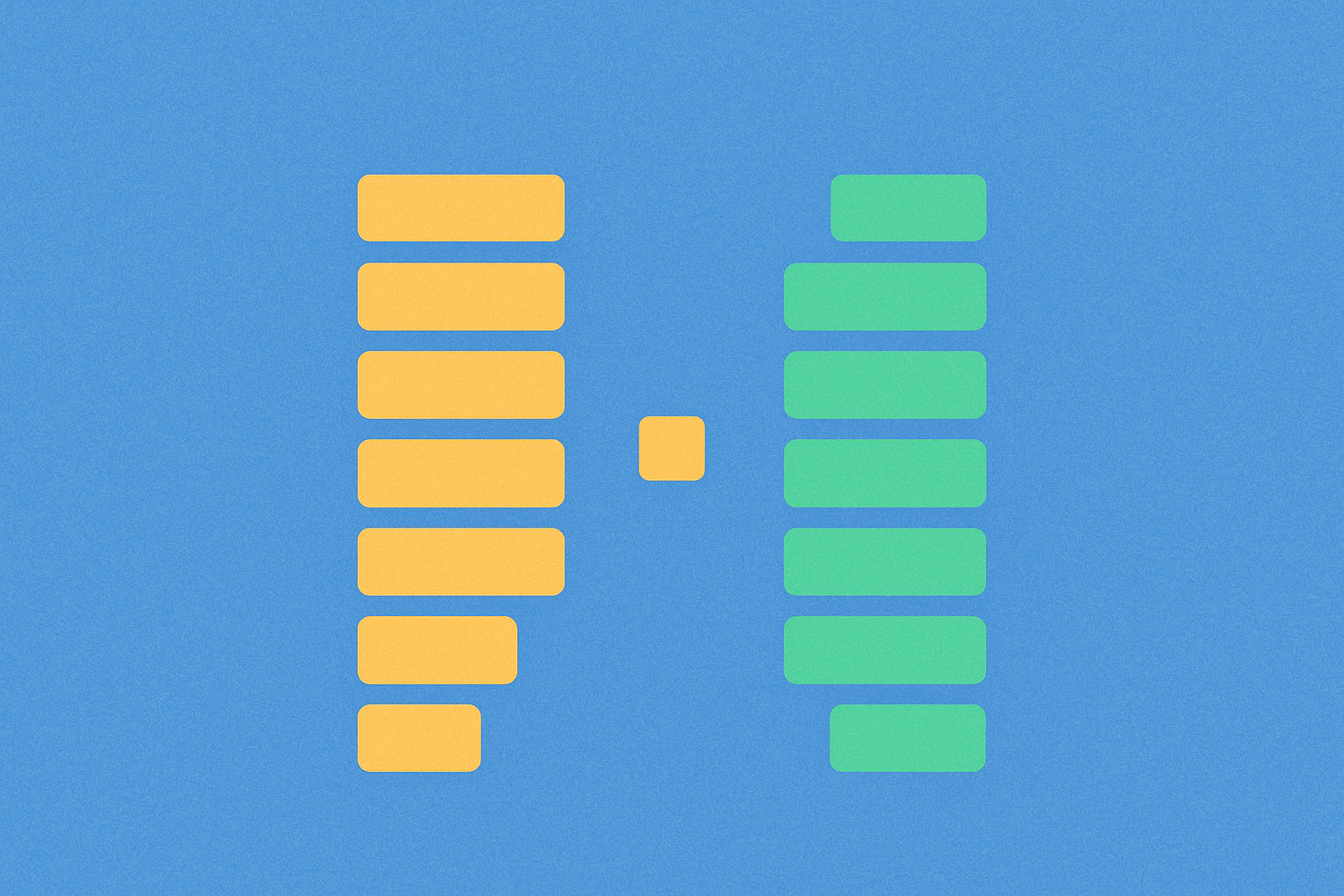
يمكن تصور CLOB كسوق يُمثل "جدار عروض"؛ إذ يُمثل كل إدخال سعراً وكمية محددين يرغب أحدهم في الشراء أو البيع عندهما. يبحث النظام باستمرار على جانبي الجدار عن أطراف مقابلة متطابقة. تتيح هذه الرؤية الشفافة للمستخدمين تقييم الكميات المتوفرة عند مستويات أسعار مختلفة، ما يساعدهم في تقدير مخاطر الانزلاق السعري.
كيف يعمل CLOB؟
يعمل CLOB وفق مبدأين أساسيين: أولوية السعر وأولوية الوقت. تُنفذ الأوامر ذات الأسعار الأفضل أولاً، وبين الأوامر عند نفس المستوى السعري تُعطى الأولوية للأوامر المقدمة أولاً.
دفتر الأوامر هو قائمة متدرجة تُرتب حسب السعر: أوامر الشراء من الأعلى إلى الأدنى، وأوامر البيع من الأدنى إلى الأعلى. يُطلق على أقرب مستويات الشراء والبيع عادة "أفضل عرض شراء" و"أفضل عرض بيع". محرك المطابقة هو برنامج يراجع القائمتين باستمرار؛ وعندما يتطابق أو يتجاوز سعر الشراء سعر البيع، يُنفذ الكميات المطابقة. إذا تم تنفيذ جزء فقط من الأمر، تبقى الكمية المتبقية في موقعها الأصلي في قائمة الانتظار.
كيف يطابق CLOB الصفقات؟
تعتمد مطابقة الأوامر في CLOB على إقران الأسعار والكميات المتوافقة للتنفيذ. عندما يكون سعر الشراء مساوياً أو أعلى من سعر البيع، ينفذ النظام الصفقة فوراً؛ وإلا تبقى الأوامر في قائمة الانتظار حتى يحدث تطابق.
على سبيل المثال:
- يضع مستخدم أمر شراء بسعر 100 لكمية 2 وحدة؛ بينما يضع آخر أمر بيع بسعر 99 لكمية 1 وحدة. بما أن 100 ≥ 99، يُنفذ 1 وحدة وتبقى كمية شراء 1 وحدة عند 100.
- لاحقاً، يُدخل أمر بيع آخر بسعر 100 لكمية 1 وحدة. يطابق النظام الكمية المتبقية ليكتمل التنفيذ. يوضح هذا المثال كيف تعمل أولوية السعر والوقت عملياً.
قد تؤدي الصفقات إلى حالات "تنفيذ جزئي"، "تنفيذ كامل"، أو "عدم التنفيذ". تُسجل جميع التغييرات في سجل التداول للمراجعة وإدارة المخاطر.
ما هي أنواع الأوامر المدعومة في CLOB؟
تشمل أنواع الأوامر الشائعة في CLOB أوامر الحد، أوامر السوق، أوامر الإيقاف، بالإضافة إلى خيارات مساعدة مثل post-only.
أمر الحد: يحدد السعر الدقيق الذي ترغب في التنفيذ عنده، ما يمنحك تحكماً في السعر لكنه قد يتطلب الانتظار لفترة طويلة إذا لم يتحقق السعر.
أمر السوق: يُنفذ فوراً عند أفضل سعر متاح للطرف المقابل. يوفر سرعة التنفيذ لكنه قد يؤدي إلى انزلاق سعري كبير في الأسواق ذات السيولة المنخفضة.
أمر الإيقاف: يُدخل أمراً تلقائياً عند تحقق شروط سعرية معينة، ما يساعد في الحد من الخسائر أو تثبيت الأرباح.
Post-Only: يضمن دخول أمرك دفتر الأوامر كمزود سيولة فقط، دون المطابقة الفورية مع الأوامر القائمة. وغالباً ما يؤهلك ذلك لرسوم "الصانع" ويجنبك صفقات "المستفيد" غير المقصودة.
يشير مصطلح "الصانع" إلى تقديم عروض جديدة في الدفتر، بينما "المستفيد" يعني التنفيذ مقابل عروض قائمة. وتختلف هاتان الحالتان في هيكل الرسوم واستراتيجيات التنفيذ.
ما هي استخدامات CLOB في أسواق العملات الرقمية؟
يُسهّل CLOB اكتشاف الأسعار والتنفيذ الدقيق في التداول الفوري، الهامشي، وتداول المشتقات. يتيح للمستخدمين الانتقال من الشراء أو البيع العشوائي إلى قرارات مبنية على عمق السوق الظاهر.
في واجهة التداول الفوري على Gate، تُعرض مستويات دفتر الأوامر وخرائط العمق المدعومة بتقنية CLOB على الجانب الأيمن. يمكنك رؤية الكميات المتاحة عند كل مستوى سعري لتقرر ما إذا كنت ستنتظر سعرك المستهدف أو تنفذ فوراً عند أفضل عرض متاح.
في تداول المشتقات، يظل CLOB أساسياً. استخدم أوامر الحد للتحكم في سعر الدخول أو أوامر السوق للتنفيذ السريع. تتيح لك خيارات وقف الخسارة وجني الأرباح ضبط نقاط الدخول والخروج بشكل منهجي.
كيف يختلف CLOB عن AMM؟
يعتمد CLOB على أشخاص أو خوارزميات تقدم عروضاً في دفتر الأوامر، بينما تعمل صانعات السوق الآلية (Automated Market Makers - AMMs) كبورصات "خدمة ذاتية" تستخدم صيغاً لتحديد الأسعار ضمن مجمعات السيولة. تختلف تجربة المستخدم والتطبيقات بينهما بشكل كبير.
تكوين الأسعار: تظهر أسعار CLOB من خلال عروض تنافسية، ما يجعله مثالياً للاكتشاف السعري الدقيق والمتكرر؛ بينما تعتمد AMM على التسعير الخوارزمي، ما يناسب إطلاق الأصول النادرة وتوفير السيولة بشكل سلبي.
تجربة التنفيذ: يتيح CLOB تداولاً فعالاً بفروق أسعار ضيقة وانزلاق سعري منخفض عند توفر العمق؛ في حين قد تواجه AMM انزلاقاً أعلى عند وجود اختلال في المجمعات أو تنفيذ صفقات كبيرة، إذ تتحرك الأسعار على منحنى معين.
المشاركون: في CLOB، مزودو السيولة هم من يضعون العروض؛ في AMM، مزودو السيولة (LPs) يودعون الأموال في المجمعات ويتحملون الأرباح أو الخسائر الناتجة عن تحركات الأسعار.
كيف تستخدم CLOB على Gate؟
يتطلب استخدام CLOB على Gate اختيار طريقة التنفيذ المفضلة ضمن دفتر الأوامر. فيما يلي خطوات العمل المعتادة:
الخطوة 1: اختر زوج التداول. في صفحات التداول الفوري أو المشتقات، حدد الأصل وراجع مستويات الشراء/البيع وعمق السوق على الجانب الأيمن.
الخطوة 2: اختر نوع الأمر. استخدم أمر الحد إذا كنت ترغب في التحكم بالسعر؛ أمر السوق للتنفيذ الفوري؛ أوامر الإيقاف لأتمتة إدارة المخاطر ضد التغيرات المفاجئة في الأسعار.
الخطوة 3: أدخل السعر والكمية. حدد كليهما في أوامر الحد؛ في أوامر السوق أدخل الكمية فقط لكن راقب عمق الدفتر لتجنب الانزلاق السعري الزائد.
الخطوة 4: تحقق من المخاطر. أكد اتجاه الأمر وحجم الرافعة المالية (في حالة التداول بالهامش أو المشتقات)، وتأكد من أن السعر المختار ليس بعيداً عن آخر الصفقات، وادرس إضافة خيارات وقف الخسارة أو post-only حسب الحاجة.
الخطوة 5: أرسل وتابع. بعد وضع الأمر، راقب حالته عبر "الأوامر المفتوحة" أو "سجل التداول". إذا لم يتم التنفيذ بسبب تحركات السوق، عدل سعرك أو ألغ الأمر وأعد الإدخال حسب الحاجة.
ما هي مخاطر CLOB؟
لا يخلو CLOB من المخاطر؛ تشمل المخاطر الرئيسية السيولة، التنفيذ، والأخطاء التشغيلية.
السيولة الضعيفة: إذا كانت الأوامر القريبة من سعرك المستهدف قليلة، قد تواجه أوامر السوق انزلاقاً سعرياً مرتفعاً، بينما قد تبقى أوامر الحد غير منفذة أو منفذة جزئياً.
الأخطاء التشغيلية: الأخطاء في إدخال السعر أو الكمية قد تؤدي إلى خسائر فورية عند التنفيذ. للصفقات الكبيرة، ابدأ بأوامر صغيرة أو استخدم post-only لتجنب صفقات المستفيد غير المقصودة.
الرافعة المالية والتصفية: في حالات التداول بالهامش أو المشتقات، قد تؤدي تقلبات الأسعار السريعة إلى تصفية إجبارية. ضع دائماً أوامر وقف الخسارة وأدر حجم مركزك بعناية.
الاستباق على السلسلة: في CLOBs القائمة على الشبكة، قد يسبقك آخرون بأوامر أفضل سعراً. لتقليل هذا الخطر، نوّع أماكن وضع الأوامر وتجنب المحفزات الواضحة جداً.
أمان الحساب والأموال: فعّل المصادقة الثنائية، واحذر من الروابط الاحتيالية والواجهات المزيفة، وتجنب تنفيذ صفقات كبيرة في صفحات غير مألوفة.
اتجاهات وتطورات CLOB
حتى أوائل عام 2026، يظل CLOB هو النموذج الرئيسي لمحركات المطابقة في المنصات المنظمة. تركّز العديد من الحلول التقنية على تسريع المطابقة وتقليل زمن الاستجابة. تظهر نماذج هجينة تجمع بين المطابقة السريعة خارج السلسلة والتسوية على السلسلة لتحقيق التوازن بين الأداء والشفافية.
تطور آخر يتمثل في التكامل مع مجمعات التوجيه: حيث يُبحث أولاً عن أفضل تنفيذ في دفتر الأوامر قبل مقارنة مصادر السيولة الأخرى لتحقيق أفضل نتيجة. يساعد ذلك المستخدمين على تحقيق جودة تداول أكثر اتساقاً في الأسواق المعقدة.
هل CLOB مناسب للمبتدئين؟
يعد CLOB مناسباً للمبتدئين الذين يفضلون العمل بمعلومات واضحة حول الأسعار والعمق. ابدأ بالتدرب على أوامر الحد لإتقان التحكم السعري؛ وتجنب أوامر السوق الكبيرة في الأزواج منخفضة السيولة، وضع دائماً أوامر وقف الخسارة للحماية من التقلبات غير المتوقعة.
على Gate، ابدأ بصفقات صغيرة للتعرف على ديناميكيات دفتر الأوامر وسجلات التداول. بعد فهم كيفية عمل العروض والطلبات وتوقيت وضع أوامر البيع أو الشراء، يمكن أن يصبح CLOB أداة تداول موثوقة.
الأسئلة الشائعة
ماذا يعني "العمق" في CLOB ولماذا هو مهم؟
يشير العمق إلى إجمالي حجم الأوامر الموضوعة عند مستويات سعرية مختلفة ضمن دفتر الأوامر. كلما زاد العمق، ارتفعت سيولة السوق وضاقت فروق الأسعار وسهل تنفيذ الصفقات الكبيرة. في Gate، يساعدك استعراض مخطط العمق على تقييم نشاط السوق واختيار أزواج التداول السائلة.
لماذا لا تُنفذ أوامري فوراً على CLOB؟
يتطلب تنفيذ الأوامر مطابقة أسعار الشراء والبيع. إذا كان أمر الشراء أقل من أسعار البيع الحالية أو أمر البيع أعلى من أسعار الشراء الحالية، يبقى الأمر معروضاً حتى يظهر طرف مقابل. لتحسين معدل التنفيذ، قرّب أمرك من الأسعار السائدة في السوق.
كيف يحدث "الانزلاق السعري" في تداول CLOB؟
الانزلاق السعري هو الفرق بين السعر المتوقع للأمر والسعر الفعلي المنفذ. في CLOBs منخفضة العمق، قد تجتاح الأوامر الكبيرة عدة مستويات سعرية، ما يؤدي إلى متوسط سعر تنفيذ يختلف عن المتوقع. كلما انخفضت السيولة زاد الانزلاق؛ ويساعد التداول أثناء أوقات الذروة أو في الأزواج السائلة على تقليل هذا الخطر.
ما هي الرسوم المطبقة عند التداول باستخدام CLOB على Gate؟
تعتمد رسوم تداول CLOB على Gate على مستوى الحساب وحجم التداول؛ المعدلات القياسية عادة 0.1% للصانعين (post-only) و0.15% للمستفيدين (أوامر السوق). يحصل المستخدمون VIP على خصومات. تحقق من أحدث جدول رسوم Gate قبل التداول أو قم بترقية مستوى حسابك لتقليل التكاليف.
لماذا السيولة ضعيفة لبعض الرموز على CLOB؟
عادة ما تعود السيولة المنخفضة إلى قلة الشعبية أو ضعف أحجام التداول أو قلة المشاركين. غالباً ما تفتقر الرموز الجديدة أو الصغيرة إلى صانعي سوق ومتداولين كافيين، ما يؤدي إلى دفاتر أوامر ضعيفة وفروق أسعار واسعة. يُنصح المبتدئون بالبدء بالرموز الشائعة على Gate قبل تجربة الأصول الصغيرة بعد فهم آلية عمل CLOB.