

Trade
Basic
Futures
Futures
Hundreds of contracts settled in USDT or BTC
TradFi
Gold
Trade global traditional assets with USDT in one place
Options
Hot
Trade European-style vanilla options
Unified Account
Maximize your capital efficiency
Demo Trading
Futures Kickoff
Get prepared for your futures trading
Futures Events
Participate in events to win generous rewards
Demo Trading
Use virtual funds to experience risk-free trading
Earn
Launch
CandyDrop
Collect candies to earn airdrops
Launchpool
Quick staking, earn potential new tokens
HODLer Airdrop
Hold GT and get massive airdrops for free
Launchpad
Be early to the next big token project
Alpha Points
Trade on-chain assets and enjoy airdrop rewards!
Futures Points
Earn futures points and claim airdrop rewards
Investment
Simple Earn
Earn interests with idle tokens
Auto-Invest
Auto-invest on a regular basis
Dual Investment
Buy low and sell high to take profits from price fluctuations
Soft Staking
Earn rewards with flexible staking
Crypto Loan
0 Fees
Pledge one crypto to borrow another
Lending Center
One-stop lending hub
VIP Wealth Hub
Customized wealth management empowers your assets growth
Private Wealth Management
Customized asset management to grow your digital assets
Quant Fund
Top asset management team helps you profit without hassle
Staking
Stake cryptos to earn in PoS products
Smart Leverage
New
No forced liquidation before maturity, worry-free leveraged gains
GUSD Minting
Use USDT/USDC to mint GUSD for treasury-level yields

More


Trending Topics
View More209.21K Popularity
8.17K Popularity
11.02K Popularity
11.17K Popularity
5.58K Popularity




Pin
Understanding the World's Most Expensive Currencies and Their USD Exchange Rates
When discussing global finance, the most expensive currency in the world holds particular significance for investors, traders, and economists. Currency values reflect not just the strength of a nation’s economy, but also its political stability, natural resources, and role in international commerce. This exploration of the top 10 most expensive currencies reveals fascinating patterns about economic power and global finance.
Oil Wealth Drives Middle East Dominance in Most Expensive Currency Rankings
The most expensive currencies tend to cluster in the Middle East, where vast natural resources fuel economic stability. The Kuwaiti dinar stands at the top with an approximate exchange rate of 3.26 against the US dollar. This remarkable strength stems from Kuwait’s enormous oil reserves and the country’s disciplined fiscal management. Similarly, the Bahraini dinar trades around 2.65 USD, supported by the kingdom’s diversified economy and petroleum exports. The Omani rial follows closely at approximately 2.60 USD, with its value anchored by a dollar peg and sound economic fundamentals.
Beyond the Gulf region, the Jordanian dinar maintains stability at roughly 1.41 USD, also benefiting from its fixed link to the US dollar, which provides predictability in international transactions.
Developed Economies and Institutional Trust Support Premium Currency Values
The most expensive currencies also include those from developed Western nations. The British pound sterling, at approximately 1.27 USD, represents the economic might of the United Kingdom and its influential role in global finance. The euro, serving as the unified currency for the Eurozone, trades near 1.10 USD and facilitates extensive international commerce. The Swiss franc commands respect at around 1.08 USD, recognized globally for its stability and the Switzerland’s reputation as a financial safe haven.
Financial centers outside traditional economies also feature expensive currencies. The Cayman Islands dollar, valued at roughly 1.20 USD, derives strength from the territory’s status as a premier offshore financial hub, attracting international capital flows.
The Critical Distinction Between Currency Value and Purchasing Power
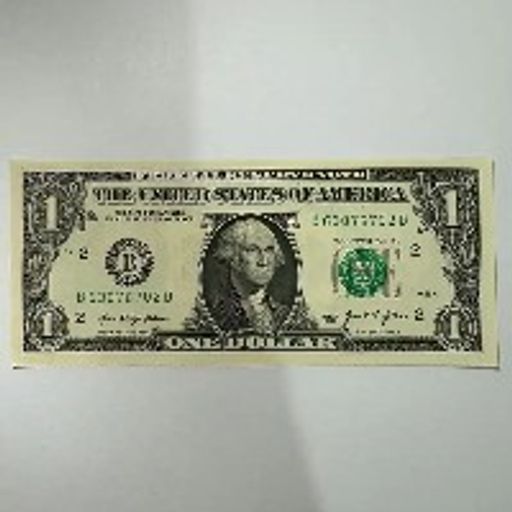
A crucial insight emerges when examining these most expensive currencies: value in foreign exchange markets does not necessarily correlate with domestic purchasing power. The US dollar, at its fixed rate of 1.00 USD, remains one of the world’s leading reserve currencies despite not ranking as the most expensive in relative terms. The Canadian dollar, valued around 0.75 USD, reflects Canada’s abundant natural resources, particularly oil and minerals, which underpin economic confidence.
The true lesson from analyzing expensive currencies worldwide is understanding that exchange rates reveal a currency’s strength relative to others, influenced by factors like economic stability, political security, resource wealth, and international demand. A high-priced currency often indicates investor confidence in that nation’s economic future, yet residents of such countries may not necessarily enjoy proportionally higher purchasing power due to corresponding cost-of-living adjustments.