


Futures
Access hundreds of perpetual contracts
TradFi
Gold
One platform for global traditional assets
Options
Hot
Trade European-style vanilla options
Unified Account
Maximize your capital efficiency
Demo Trading
Futures Kickoff
Get prepared for your futures trading
Futures Events
Join events to earn rewards
Demo Trading
Use virtual funds to experience risk-free trading
Launch
CandyDrop
Collect candies to earn airdrops
Launchpool
Quick staking, earn potential new tokens
HODLer Airdrop
Hold GT and get massive airdrops for free
Launchpad
Be early to the next big token project
Alpha Points
Trade on-chain assets and earn airdrops
Futures Points
Earn futures points and claim airdrop rewards





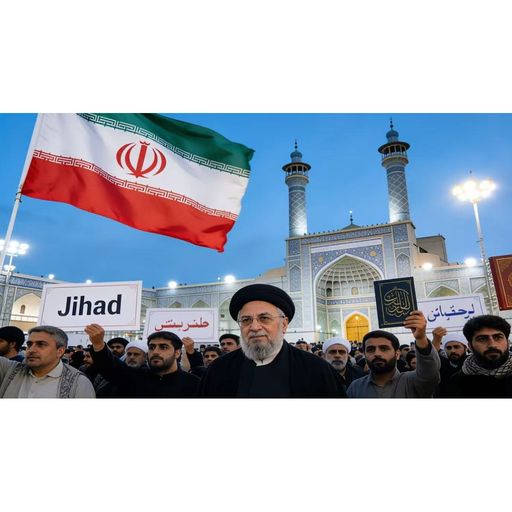
CICC: Iran conflict accelerates Middle Eastern funds' increased allocation to Chinese assets
[Caixin] Since Israel and the United States launched a military strike against Iran on February 28, 2026, tensions in the Middle East have escalated, and Asian stock markets have experienced volatility. The Korea KOSPI index plummeted 12% on March 4 amid risk aversion, marking the largest single-day decline in history, then surged 11% the next day after the market opened. However, Miao Yanliang, Senior Managing Director and Chief Strategist at CICC, pointed out that from a medium- to long-term perspective, against the backdrop of the reorganization of the international monetary system, the Middle East conflict will accelerate the diversification of global asset allocation and promote increased investment in Middle Eastern funds, especially in Asian assets, including those in Mainland China and Hong Kong.
In Miao Yanliang’s view, the rise in risk aversion has led to the sell-off of global risk assets, which is a short-term shock affecting markets such as the US, Hong Kong, Japan, and South Korea. In the medium to long term, the global monetary order’s reconstruction due to distrust in the US dollar system will accelerate. Previously, Middle Eastern investors held a wait-and-see attitude toward Chinese assets, but the war has further highlighted the risks of putting all eggs in one basket, serving as a catalyst for increased allocation to Chinese assets.