KnightMan

vip
Age 1.1 Year
Peak Tier 0
No content yet
Web3 security has become a critical priority as the ecosystem matures and capital inflows increase. Unlike traditional systems, decentralized finance (DeFi) shifts responsibility to users, making security a shared burden between protocols and participants. Recent exploits highlight that vulnerabilities often stem not just from code, but from governance, key management, and social engineering.
At the protocol level, rigorous smart contract audits, bug bounty programs, and formal verification are essential. However, even audited systems can fail if oracle manipulation, flash loan attacks, or poo
post-image
post-image
  • Reward
  • Comment
  • Repost
  • Share
Today’s market sentiment leans short-term bearish, long-term cautiously bullish—a classic divergence phase.
In the near term, multiple indicators point to weakness. The crypto market is currently in “Extreme Fear” territory, with sentiment indices and technical signals heavily skewed negative. Traders are actively positioning for downside, and macro pressures—like rising oil prices and geopolitical tensions—are driving a risk-off environment. Additionally, recent shocks such as major DeFi hacks and ETF outflows have further reduced confidence, reinforcing bearish momentum.
CoinCodex +1
Coind
post-image
post-image
  • Reward
  • Comment
  • Repost
  • Share
The release of draft implementation rules under the GENIUS Act marks a critical step toward formalizing stablecoin regulation in the United States. Issued by the U.S. Treasury as a Notice of Proposed Rulemaking (NPRM), the framework introduces “equivalence standards” to determine whether state-level regulations can match federal oversight.
U.S. Department of the Treasury +1
At its core, the proposal allows smaller stablecoin issuers—those with under $10 billion in circulation—to operate under state regimes, provided they meet federal-like standards. This preserves the dual regulatory system w
post-image
post-image
  • Reward
  • Comment
  • Repost
  • Share
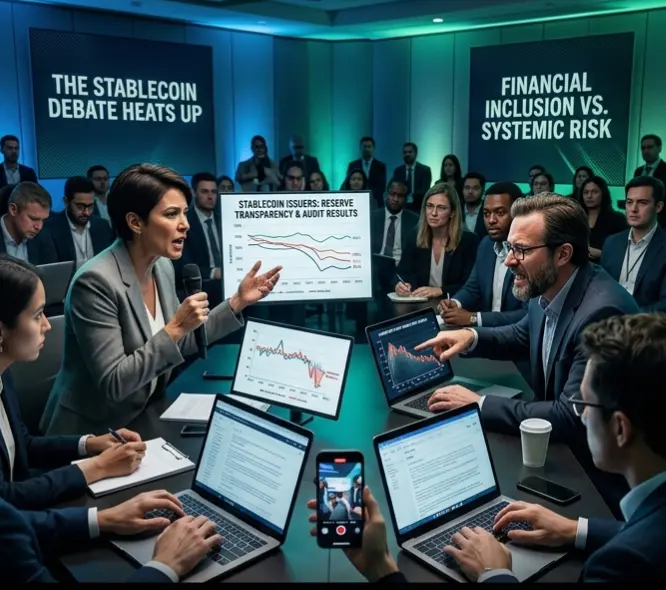
The global debate around stablecoins is intensifying as regulators and financial institutions grapple with their growing systemic importance. Leading tokens like USDT and USDC now function as critical liquidity layers in crypto markets, facilitating trading, lending, and cross-border payments. However, their rapid expansion has raised concerns over financial stability, transparency, and regulatory oversight.
Central banks argue that large-scale stablecoin adoption could undermine monetary policy and compete with sovereign currencies, prompting accelerated development of CBDCs (central bank dig
USDC0.01%
post-image
post-image
  • Reward
  • Comment
  • Repost
  • Share
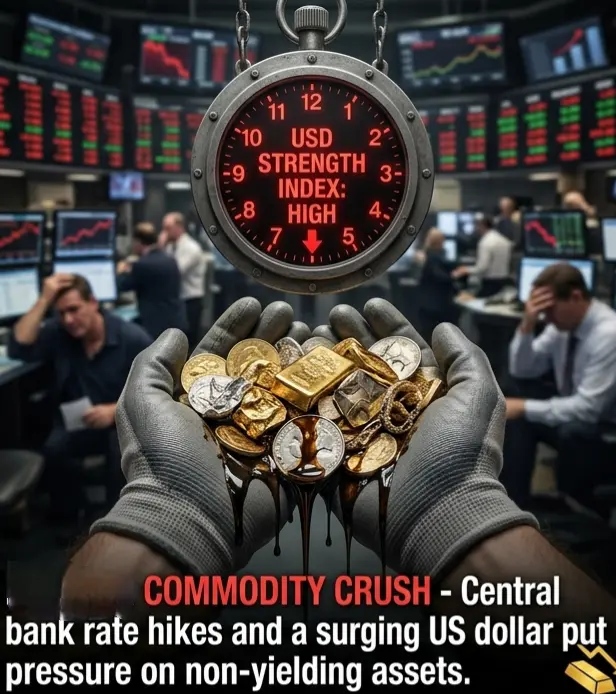
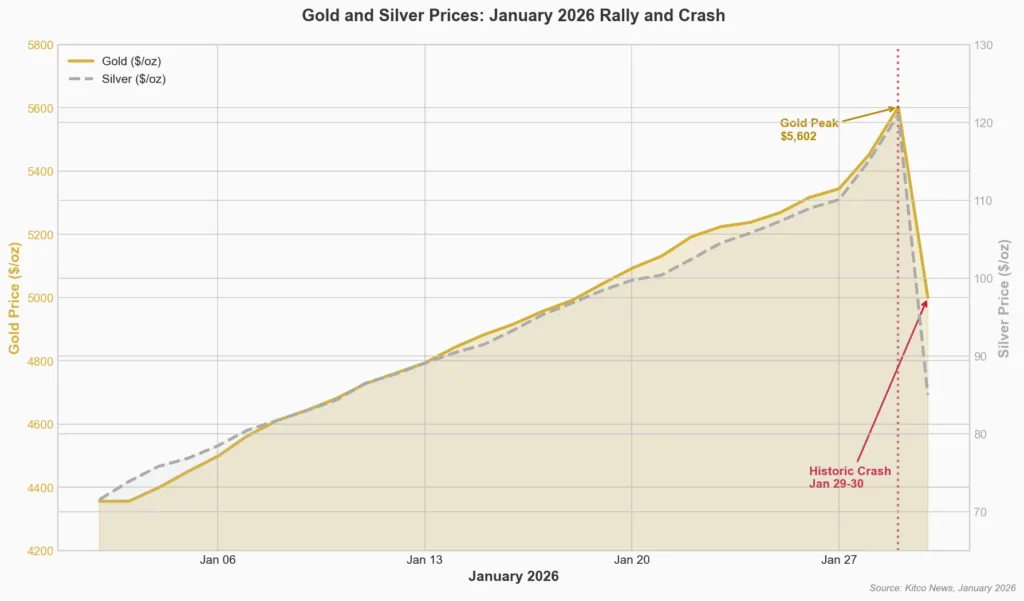
Precious metals are facing renewed downside pressure as macroeconomic forces shift against their traditional safe-haven appeal. Gold and silver prices have recently pulled back due to a stronger US Dollar and rising U.S. Treasury yields, which increase the opportunity cost of holding non-yielding assets like Gold and Silver. As real interest rates climb, investors tend to rotate toward income-generating assets, reducing demand for metals.
Additionally, easing geopolitical tensions and stabilizing inflation expectations have weakened the urgency for defensive positioning. Central banks, which w
post-image
post-image
  • Reward
  • Comment
  • Repost
  • Share
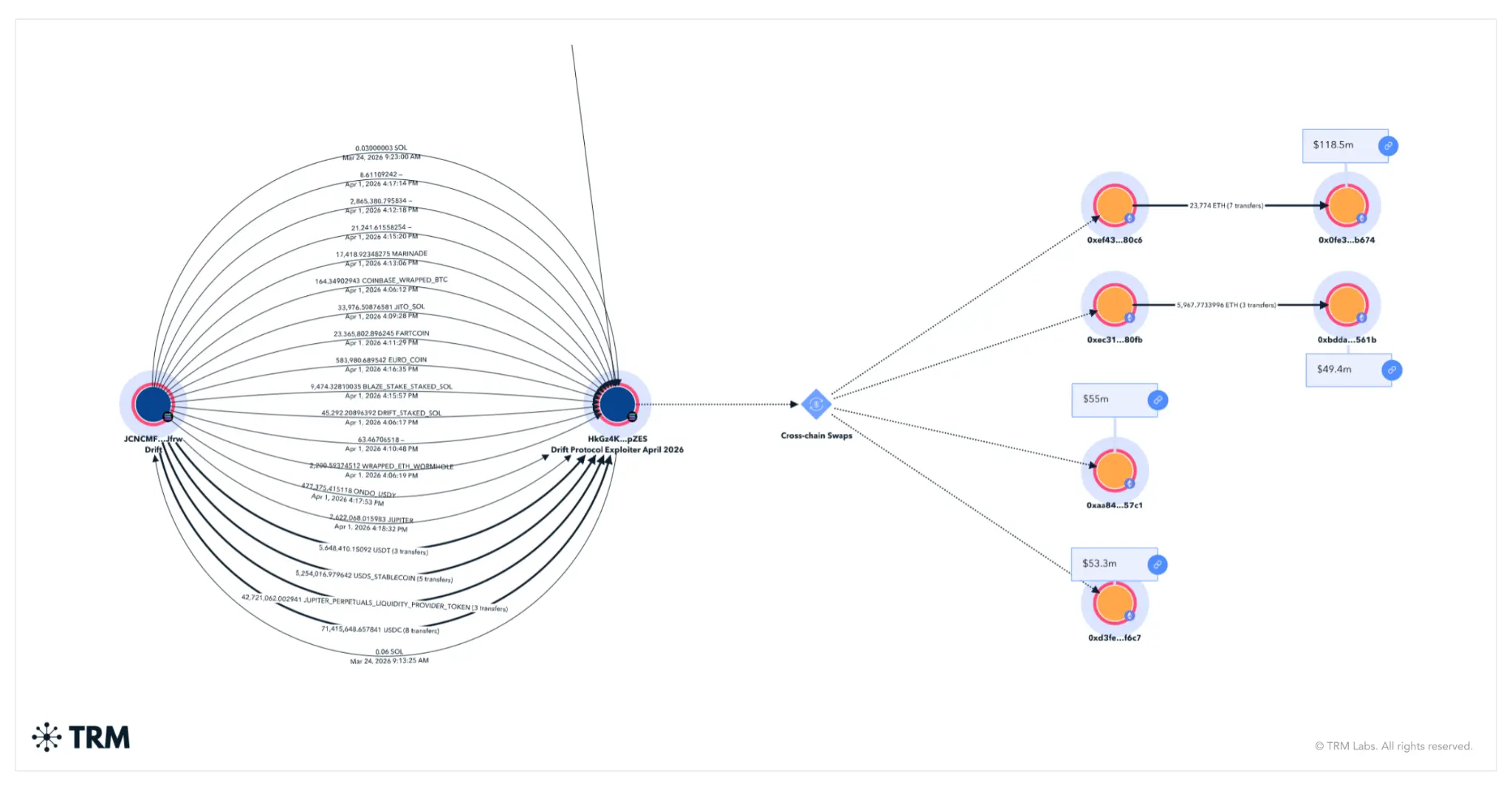
The recent hack of Drift Protocol marks one of the most sophisticated and damaging DeFi exploits of 2026, with losses estimated at around $285–$286 million.
Unlike traditional smart contract bugs, this attack exploited governance and human vulnerabilities. Hackers used social engineering to trick multisig signers into pre-approving malicious transactions, while also leveraging a Solana feature called “durable nonce” to execute them later. This was combined with the creation of a fake collateral token, which was falsely valued by oracles, allowing attackers to withdraw real assets at scale.
T
DRIFT-5.91%
SOL-0.42%
ETH-0.22%
post-image
post-image
  • Reward
  • 3
  • Repost
  • Share
CryptoSpectovip:
good information 🥰
View More
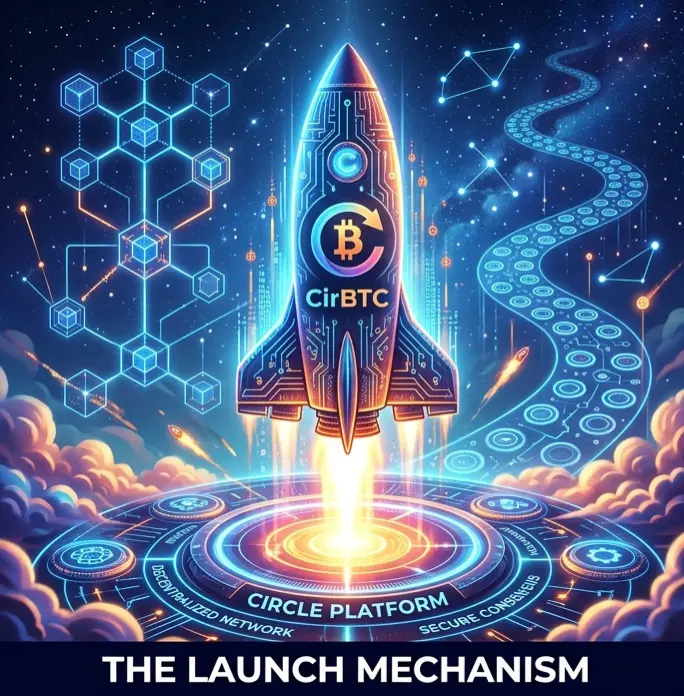
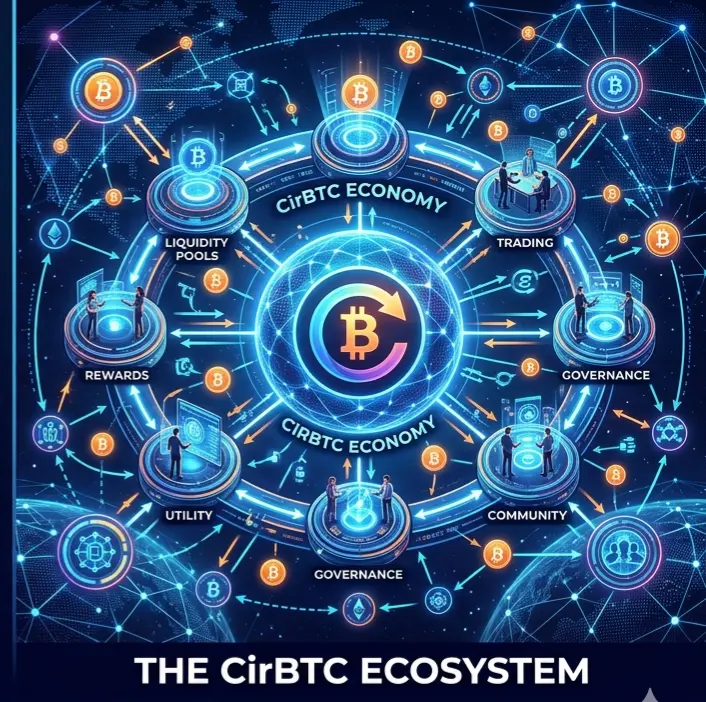
The launch of cirBTC by Circle represents a strategic expansion of the crypto infrastructure landscape, signaling a shift from stablecoins toward broader tokenized asset dominance. cirBTC is a wrapped version of Bitcoin, backed 1:1 by real BTC and designed to bring Bitcoin liquidity into decentralized finance (DeFi) ecosystems.
This move addresses a critical inefficiency: over $1.7 trillion worth of Bitcoin remains largely inactive in DeFi due to trust and transparency issues with existing wrapped tokens. By offering real-time, on-chain verifiable reserves, Circle aims to position cirBTC as a
BTC0.29%
WBTC0.18%
post-image
post-image
  • Reward
  • Comment
  • Repost
  • Share
The reported attempt by Tether to pursue a $500 billion valuation through fundraising marks a pivotal moment for the crypto-financial ecosystem. As the issuer of USDT, Tether already dominates global stablecoin liquidity, controlling over half of the market and generating billions in profit through interest earned on reserve assets like U.S. Treasuries.
CoinMarketCap
The logic behind such a high valuation lies in its “quasi-central bank” role in crypto. Tether operates a massive zero-cost capital pool, allowing it to earn significant yield without paying interest—making it one of the most pro
post-image
  • Reward
  • Comment
  • Repost
  • Share
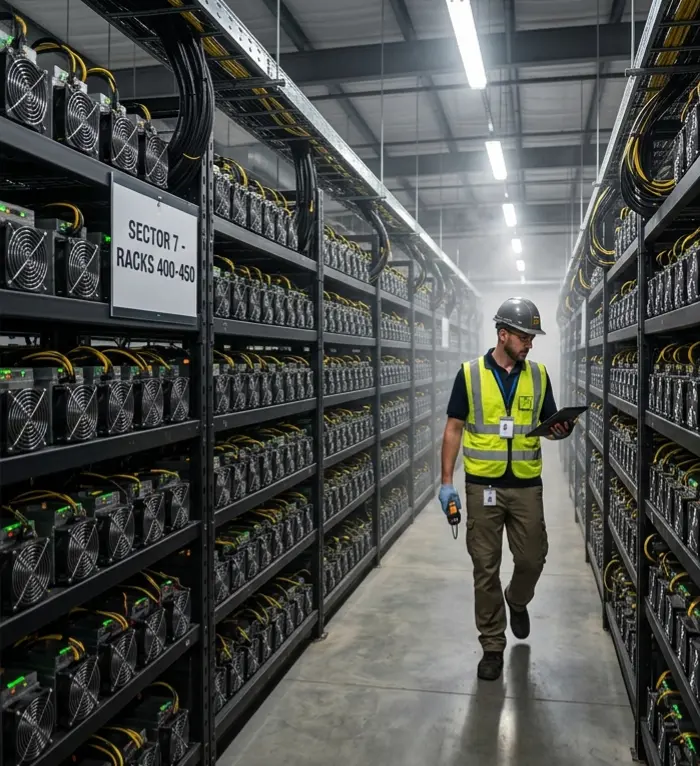
The Bitcoin mining industry is undergoing rapid transformation as it adapts to shifting economics, regulation, and technology. Following the latest Bitcoin halving event, mining rewards have been reduced, forcing operators to rely more heavily on transaction fees and operational efficiency to remain profitable. This has intensified competition, pushing smaller or inefficient miners out while consolidating power among large-scale, well-capitalized firms.
Energy dynamics are central to this shift. Miners are increasingly relocating to regions with cheap and renewable energy, aiming to reduce cos
BTC0.29%
post-image
post-image
  • Reward
  • Comment
  • Repost
  • Share
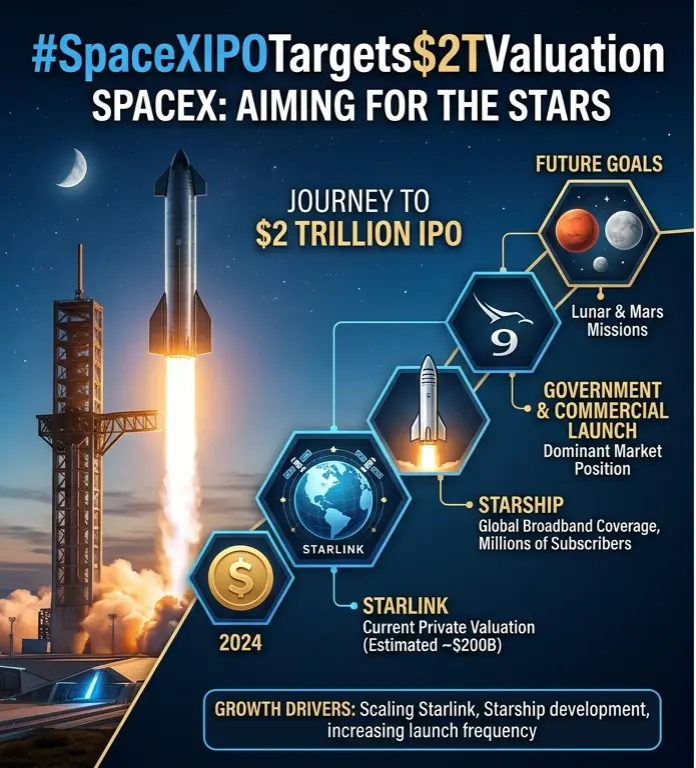
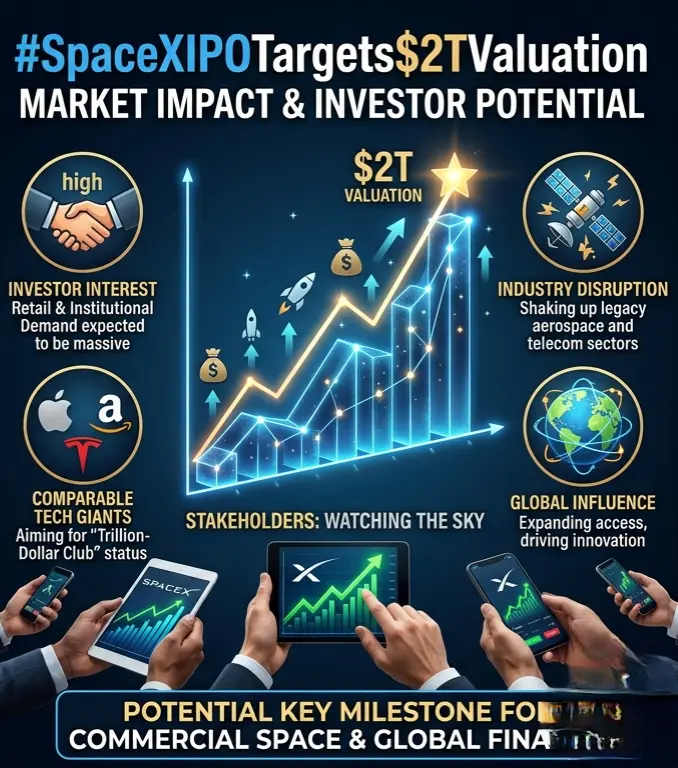
potential IPO of SpaceX at a $2 trillion valuation signals a major shift in how markets value next-generation technology companies. If achieved, it would rival or exceed giants like Apple Inc. and Microsoft, placing SpaceX among the most valuable firms globally. This valuation is largely driven by its Starlink satellite network, which provides recurring, scalable revenue and positions the company as a leader in global internet infrastructure.
Investor enthusiasm is also fueled by founder Elon Musk, whose track record with companies like Tesla adds credibility to ambitious, long-term visions. B
post-image
post-image
  • Reward
  • Comment
  • Repost
  • Share
oil prices are rising due to a mix of geopolitical tension, supply constraints, and resilient global demand. Conflicts in key producing regions—especially in the Middle East and Eastern Europe—have heightened fears of supply disruptions, prompting traders to price in risk premiums. At the same time, major producers like OPEC+ continue disciplined output cuts, tightening global supply and supporting higher price levels.
On the demand side, economic resilience in large consumers such as the U.S., China, and India has sustained energy consumption despite inflationary pressures. Seasonal factors a
post-image
post-image
  • Reward
  • Comment
  • Repost
  • Share
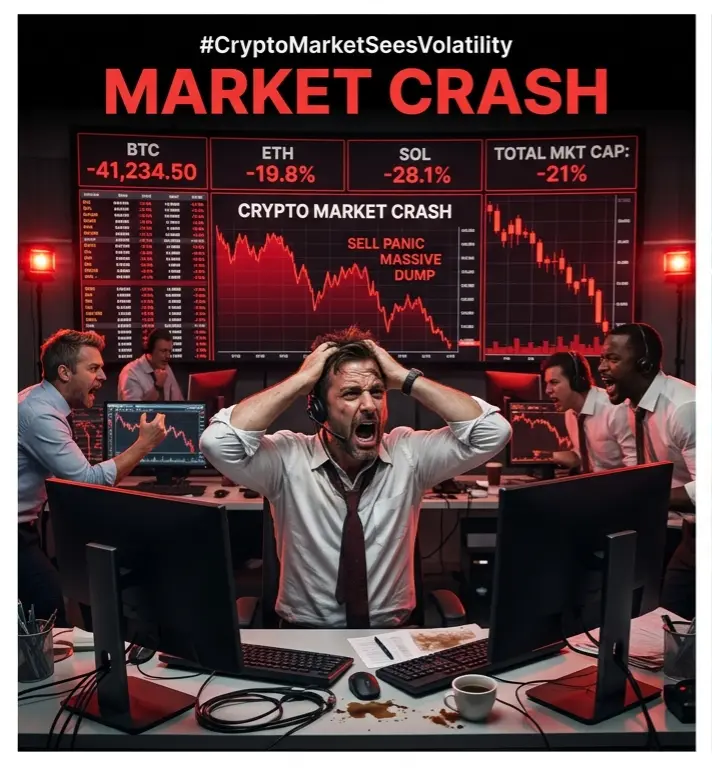
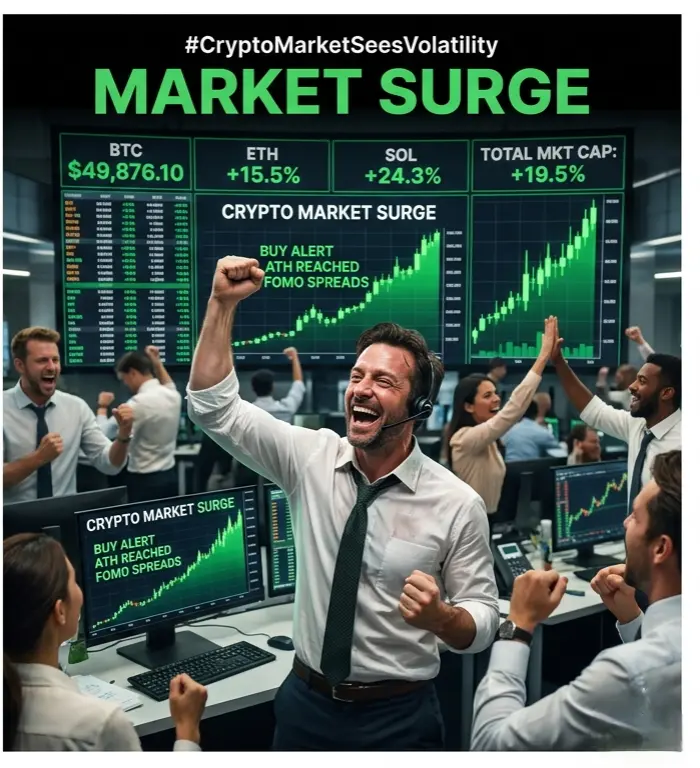
The Crypto Market Volatility reflects the inherently dynamic nature of digital assets, driven by liquidity shifts, macroeconomic signals, and investor sentiment. Recent volatility is largely tied to uncertainty around global interest rates, regulatory developments, and institutional participation. When central banks maintain tighter monetary policies, risk assets like cryptocurrencies often face selling pressure as capital moves toward safer instruments.
Additionally, large holders (“whales”) and leveraged positions amplify sudden price swings, triggering liquidations that cascade across excha
post-image
post-image
  • Reward
  • Comment
  • Repost
  • Share
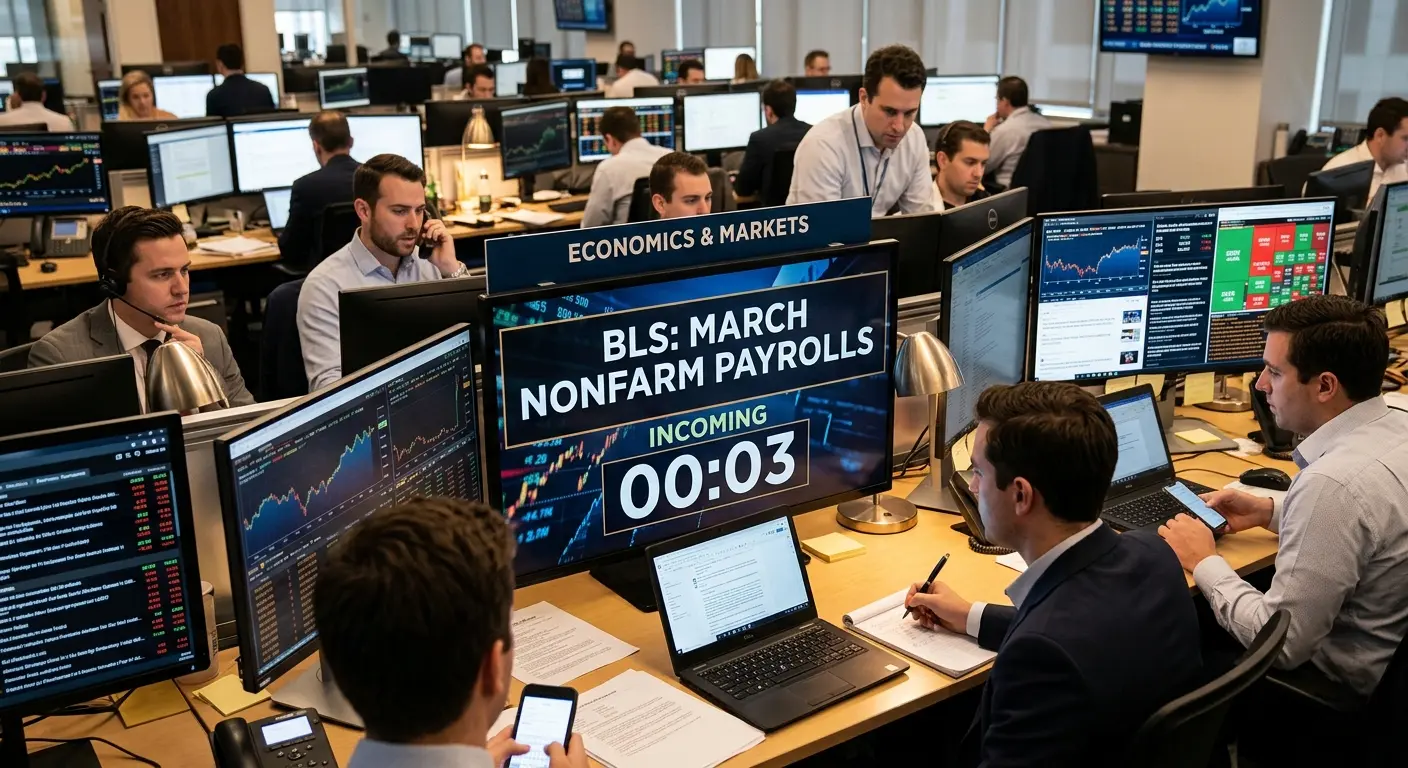
The March Nonfarm Payrolls report is a key gauge of labor market strength in the United States, often shaping global financial sentiment. Markets closely watch job creation numbers, unemployment rate, and wage growth. A strong payroll print typically signals economic resilience, boosting the US dollar and equities, while raising concerns about prolonged high interest rates. Conversely, weaker data may hint at economic slowdown, increasing expectations of rate cuts by the Federal Reserve.
For March, analysts focus on whether hiring momentum remains stable despite tighter monetary conditions. Wa
post-image
  • Reward
  • Comment
  • Repost
  • Share
this appears to be a community-driven engagement initiative, likely designed to boost user activity and content creation on the Gate.io platform. Such challenges typically encourage participants to share insights, experiences, or promotional content in exchange for rewards, visibility, or recognition. From a strategic perspective, this benefits the platform by increasing user retention, expanding social reach, and generating organic marketing through user-generated content.
For participants, the challenge offers an opportunity to enhance their knowledge, build a personal brand, and potentially
  • Reward
  • Comment
  • Repost
  • Share
Web3 security has become one of the most critical challenges in the evolution of decentralized systems. Unlike traditional finance, where centralized institutions manage risk and fraud protection, Web3 shifts responsibility directly to users and protocol design. This creates both empowerment and vulnerability, making security a foundational requirement rather than an optional feature.
At the protocol level, smart contract security is the first line of defense. Vulnerabilities in code can lead to massive exploits, as seen in numerous DeFi hacks. Even audited contracts are not immune, which high
  • Reward
  • Comment
  • Repost
  • Share
current market sentiment is cautiously bearish in the short term, but not decisively negative overall. Investors across equities, crypto, and commodities are reacting to a mix of macroeconomic pressure, policy uncertainty, and shifting risk appetite.
In the short term, bearish sentiment is driven primarily by higher interest rate expectations and persistent inflation concerns. Central banks are signaling that rates may remain elevated longer than previously expected, which tightens liquidity and reduces appetite for risk assets. This environment typically pressures equities and cryptocurrencie
  • Reward
  • Comment
  • Repost
  • Share
The release of draft implementation rules under the GENIUS Act marks a critical step in shaping how stablecoins will operate within regulated financial systems. These rules are designed to translate high-level legislation into enforceable standards, signaling a shift from theoretical policy debate to practical execution.
At the core of the draft is a strong emphasis on reserve transparency and asset backing. Stablecoin issuers are expected to maintain high-quality liquid reserves, such as cash and short-term government securities, with frequent disclosures and third-party verification. This di
  • Reward
  • Comment
  • Repost
  • Share
The global debate around stablecoins is rapidly intensifying as governments, financial institutions, and crypto companies clash over their future role in the financial system. Stablecoins, which are digital assets pegged to currencies like the U.S. dollar, have grown from niche trading tools into critical infrastructure for payments, trading, and decentralized finance.
A central issue in the debate is regulation. Policymakers are pushing for stricter oversight to ensure that stablecoins are fully backed by safe reserves such as cash or government bonds. This is driven by concerns about financi
  • Reward
  • Comment
  • Repost
  • Share
Precious metals like gold, silver, platinum, and palladium are currently facing a pullback driven by a combination of macroeconomic and market-specific pressures. One of the primary factors is higher interest rates. Since these metals do not generate yield, rising rates increase the opportunity cost of holding them, pushing investors toward interest-bearing assets like bonds. As expectations for prolonged tight monetary policy persist, metals remain under pressure.
Another key driver is the strength of the U.S. dollar. Because precious metals are priced in dollars, a stronger dollar makes them
post-image
post-image
  • Reward
  • Comment
  • Repost
  • Share
  • Pin